

Ireland, 2024 edition
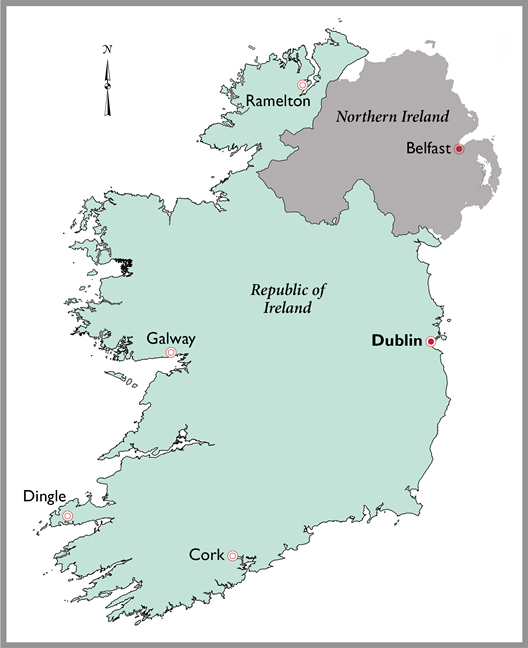
In August I returned to Ireland, in part to escape the heat of southern France, and in greater part because I’ve completely fallen for the Emerald Isle. This year I traveled with my California friend Amy, with a few days at the end of the trip on my own.
Over the years, I’ve found that my preferred way to travel is to pick a place and settle in there for a while, getting to know the place, its people and its region. I don’t really like to spend my vacation time with lots of planes, trains and automobiles. This trip, however, involved some moving around, and we did see some great places.
Contents
• Stained glass
• Dublin and Donegal
• Galway
• Dingle
• Cork
• Of rocks and beaches
Stained glass
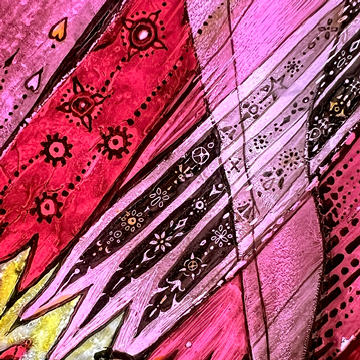
After last year’s trip, when I learned about the great stained-glass artist Harry Clarke, I wanted to see more of his work. I was largely successful with my scavenger hunt, and here are a few examples of what I saw.
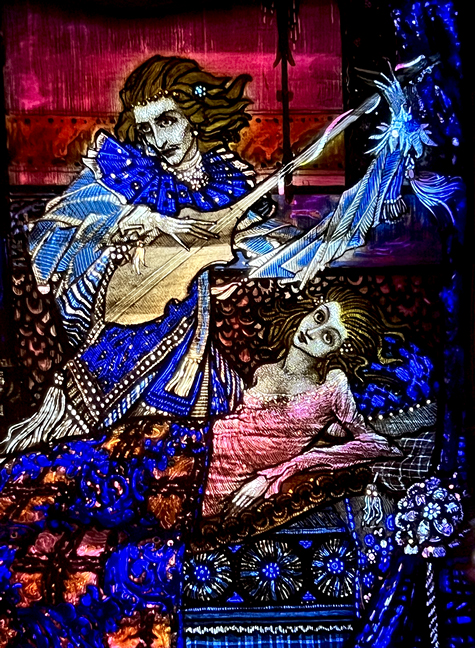
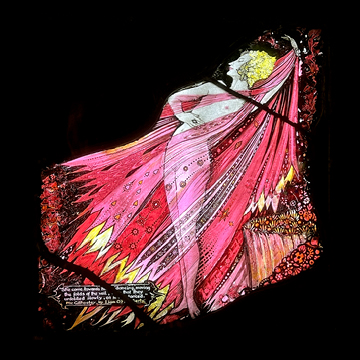
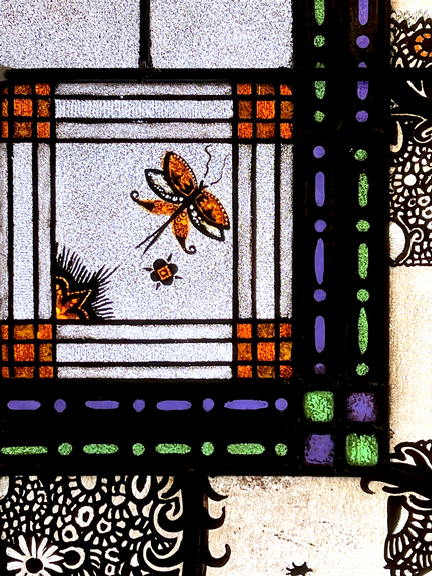
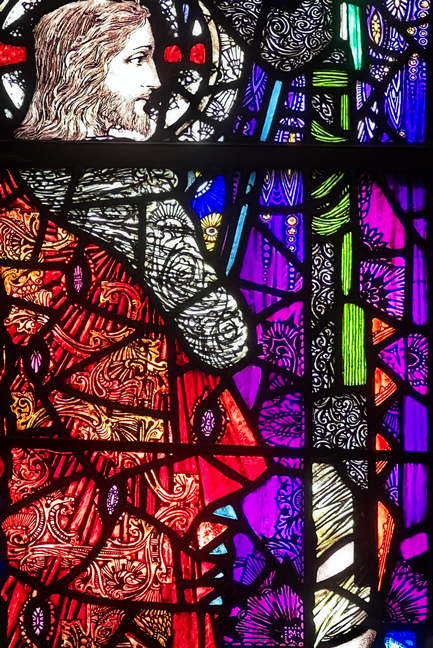
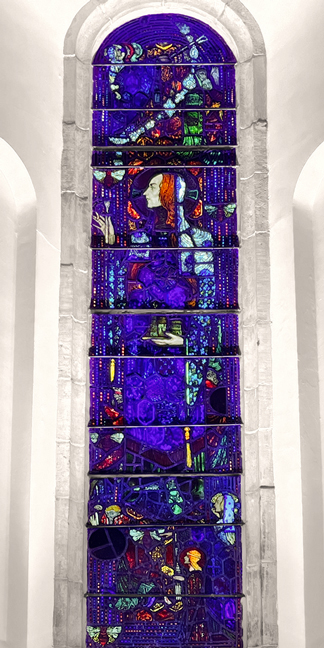
The last windows I was able to see were made relatively early in Harry Clarke’s career, those commissioned in 1916 for the Honan Chapel on the campus of University College Cork. The chapel is lovely, and I had it all to myself for most of my visit. Unfortunately, at some point a decision was made to put purple-hued lights in all the window openings, casting a lavender glow throughout the chapel that played games with my camera. In the photo above of the Saint Gobnait window, I’ve completely removed the color from the surrounding walls, but the blue and purple tones in the stained glass itself proved difficult to repair. Unfortunately, in my photograph, the saint’s exquisite royal blue robes are a bit of a muddy mess.
Clarke produced nine windows for the chapel, most of which are Irish saints. Gobnait was a local: born in the 5th-6th century, she left her family in County Clare to live on one of the Aran islands, later relocating to Ballyvourney in County Cork. She is the patron saint of beekeepers and ironworkers, and is revered in the village of Ballyvourney. Bees appear in several places in the window, as well as people that Gobnait protected from disease and invaders that she repelled. Gobnait is Irish for Abigail.
Dublin and Donegal
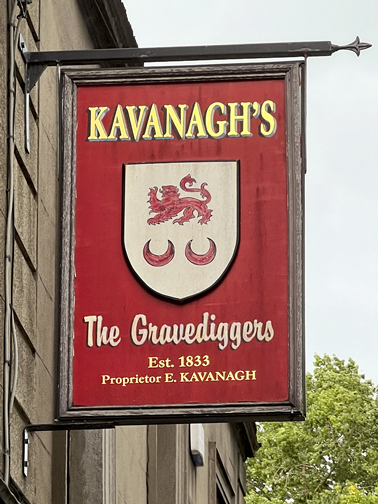
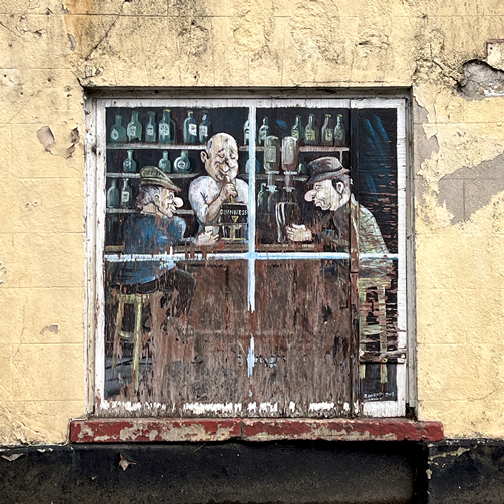
Amy was traveling from California, and I was arriving from France, so the easiest place to meet was Dublin. We had an afternoon to explore a bit, and we visited the Hugh Lane Gallery and the Botanic Gardens. When the Gardens closed, we stopped in for a pint at The Gravedigger’s, a venerable pub that drew its original clientele from two particular groups: people who had visited the Gardens, and people who had visited the nearby Glasnevin Cemetery. We shared a table and lively conversation with two gents who turned out to be local schoolteachers. Every once in a while, we managed to understand each other, and despite that little issue, there was an abundance of warmth and humor, and an hour passed easily.
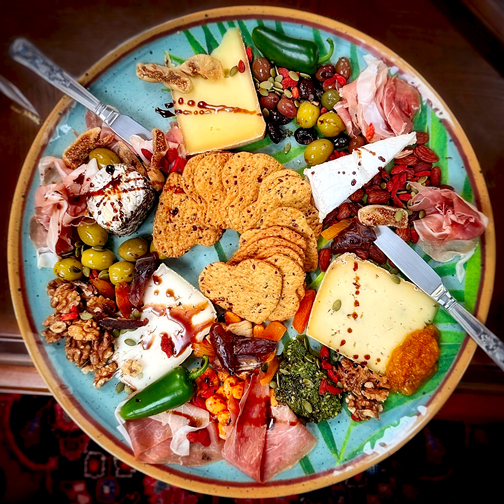
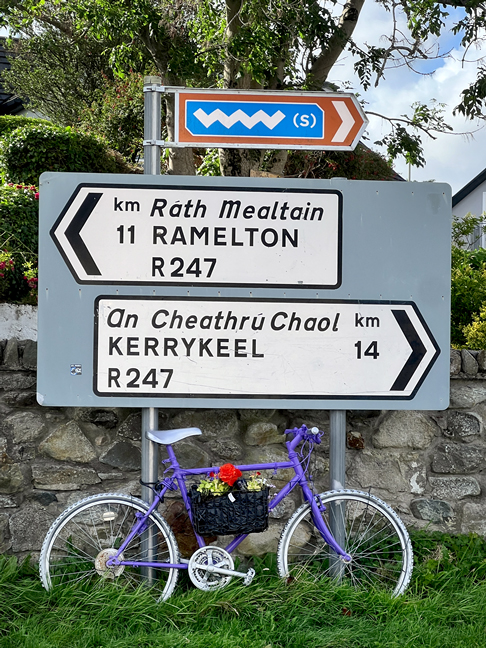
The next day we went to the airport to pick up our rental car, and promptly took a couple of wrong turns that set us off on a route toward Ramelton that was, shall we say, somewhat less than straight. We arrived later than we’d hoped, but our host, Des, was still in his shop and gave us a warm welcome. We got ourselves installed in the apartment upstairs, while Des made us a splendid platter of food, and then he joined us for a bit of convivial banter. It felt great to be back in Donegal, and Des and Sharon and the crew at The Blue Goat made us feel like family.
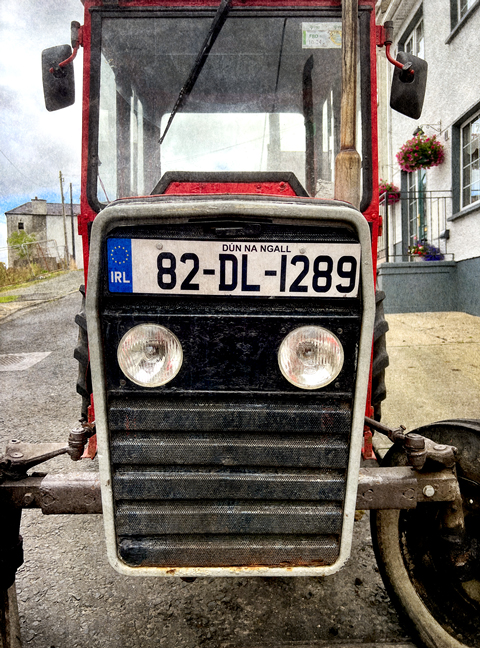
After a morning of exploring Ramelton, we drove up to Rathmullan and met my friend Martin for a lively visit and some sightseeing. Later, we all had a convivial dinner at The Bridge Bar in Ramelton.
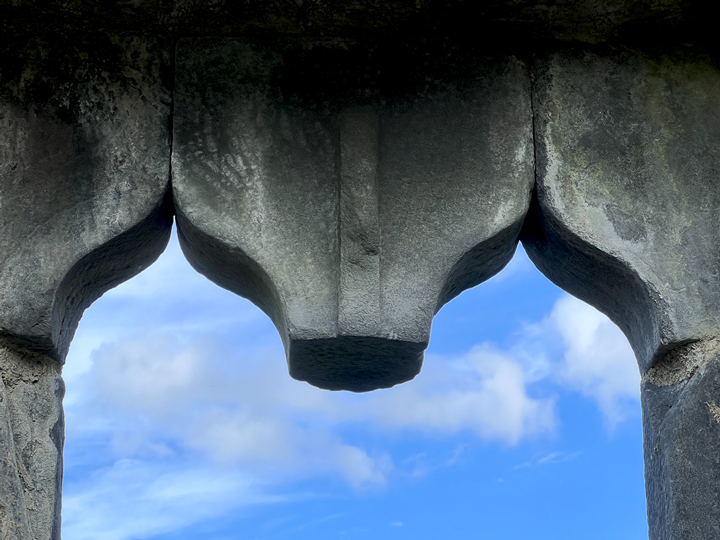
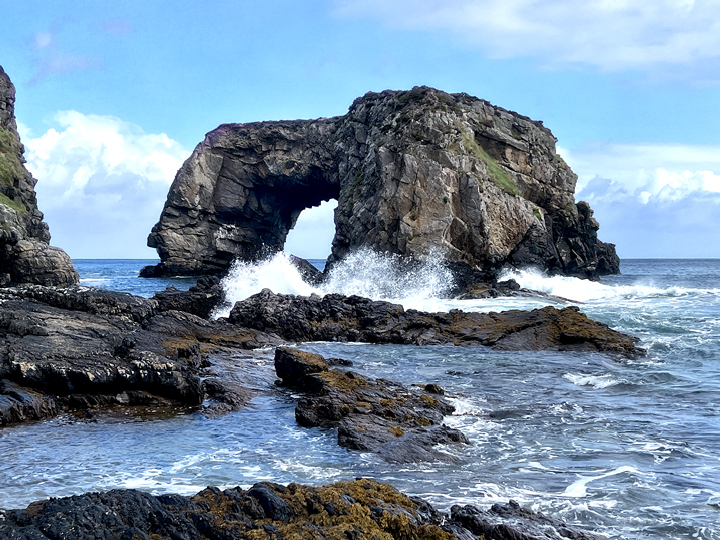
We joined Martin for another day of exploring, first passing the morning at the Great Pollet Sea Arch. Last year I saw it at low tide, and this time we planned our visit to be there at high tide. I think at other times of year, high tide is even higher, as I’ve seen photographs with no rocks showing other than the arch. But this was perfectly lovely, and we had a beautiful day to match.
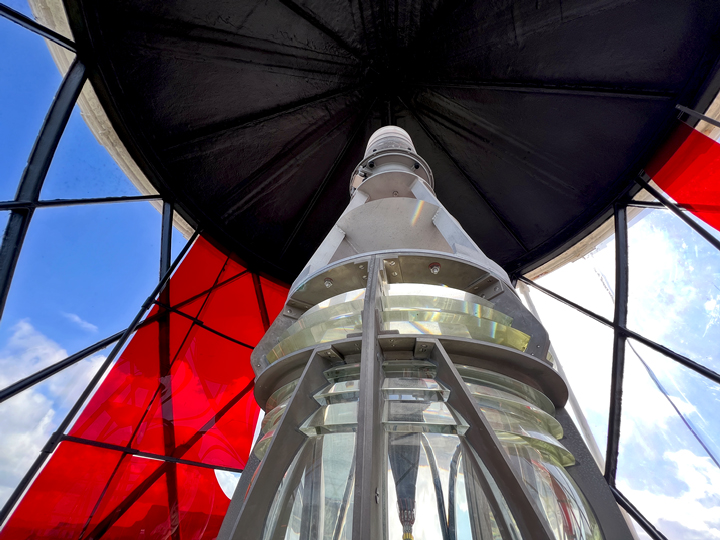
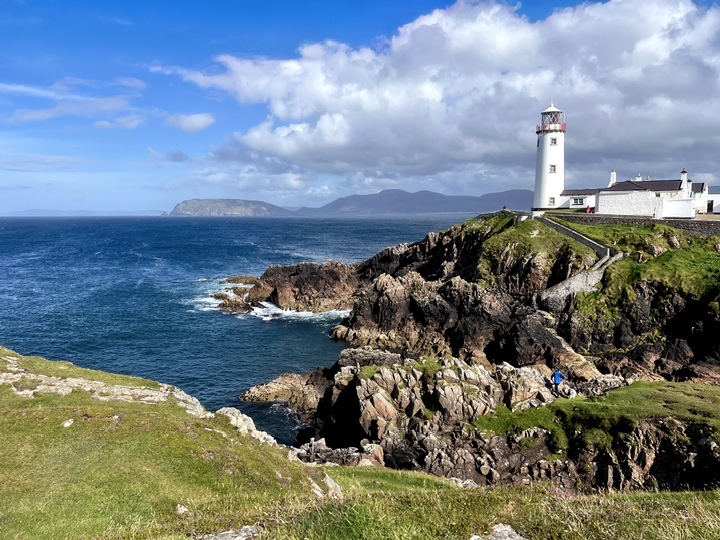
Later we went to Kerrykeel for lunch at The Narrow Quarter, and then took ourselves up to the tip of the peninsula to see the splendid Fanad Head Lighthouse.

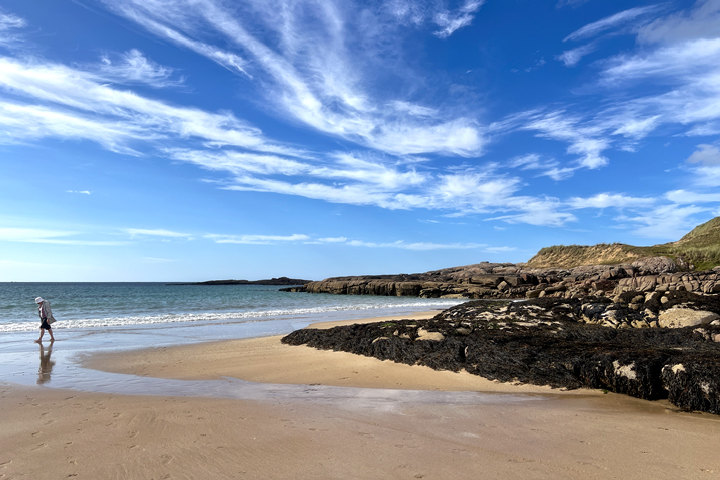
I wanted to share with Amy one of my favorite days from last year’s trip, so we hopped in the car to visit the weaver Eddie Doherty in Ardara, then drove up the Glengesh Pass, and then went for a nice long stroll along Mullachderg Beach.
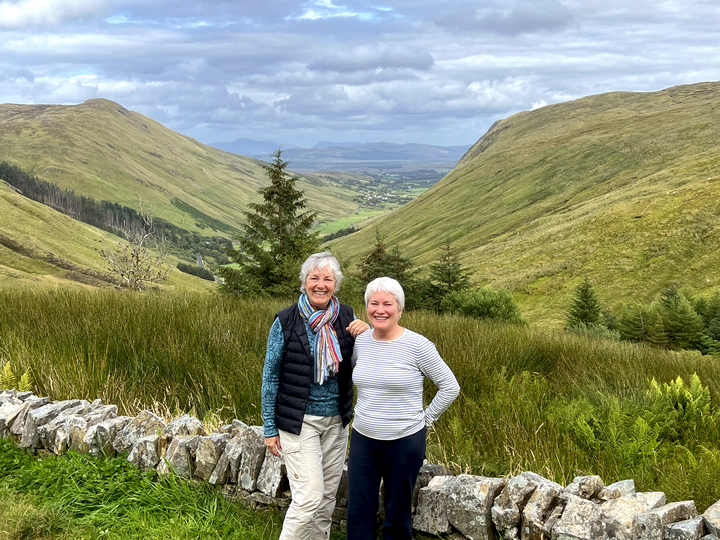
Up at the top of the pass, we paused to take in the view, and a nice woman offered to take our picture. We began chatting. We continued to chat. We met her children, and we met her husband. Quite a while later, we had exchanged contact details after enjoying a long and utterly delightful conversation. We said our goodbyes with promises to one day meet again, perhaps where they live in Northern Ireland. Here’s to you, Ailís and Kevin, for putting huge smiles on our faces that lasted for days!
Galway
This is the part where we both had colds and the weather was rainy, so we took the time to sit still, drink a lot of tea, and enjoy the lovely place where we were staying, just outside the city. Not so many photos or stories here, other than a grateful mention of Peggy McConnell, our friendly hostess. She and her partner own the small farm property where we stayed, helped us as needed, told us stories, and provided a really great place for rest and recovery.
Dingle
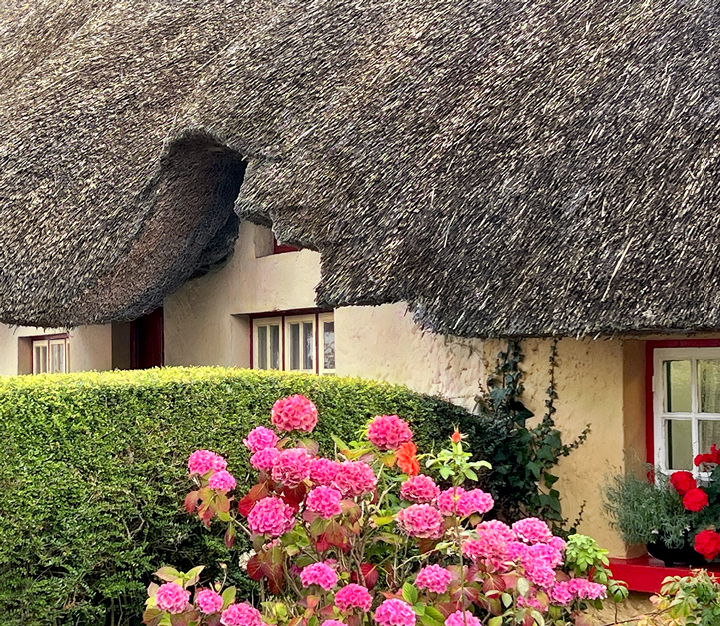
We left Galway under grey skies and drove toward Dingle, with a stop in Adare for lunch and a look around the pretty town. We were both still suffering when we arrived in Dingle, but we decided to enjoy ourselves as much as possible. And Dingle is a great place to enjoy oneself!
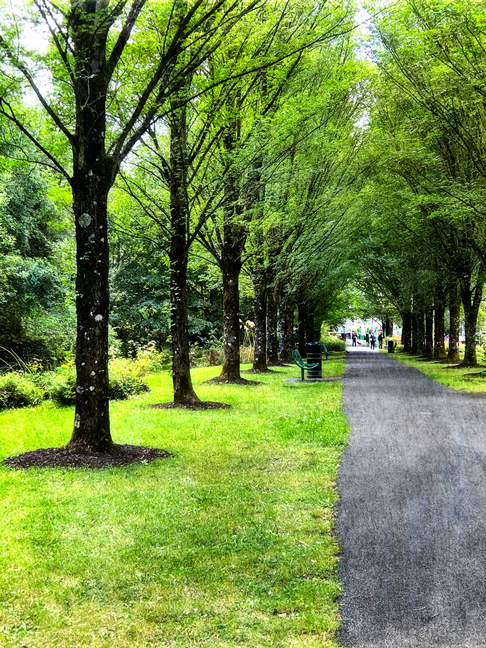
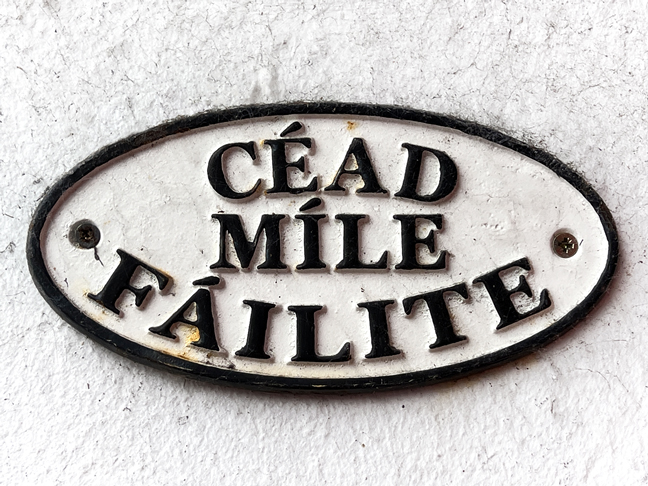
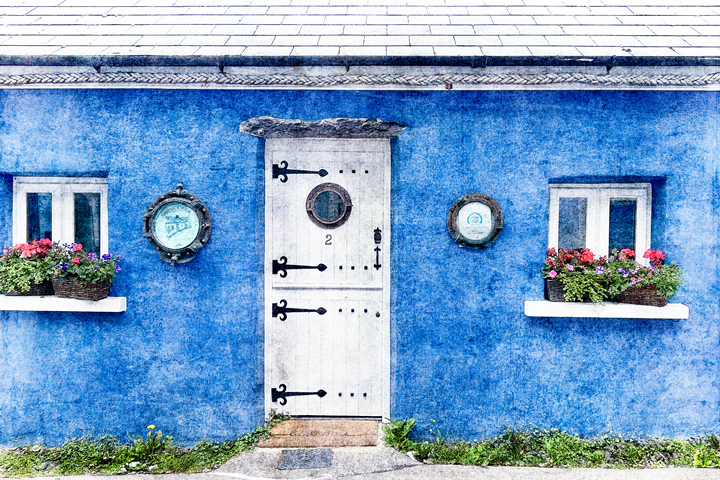
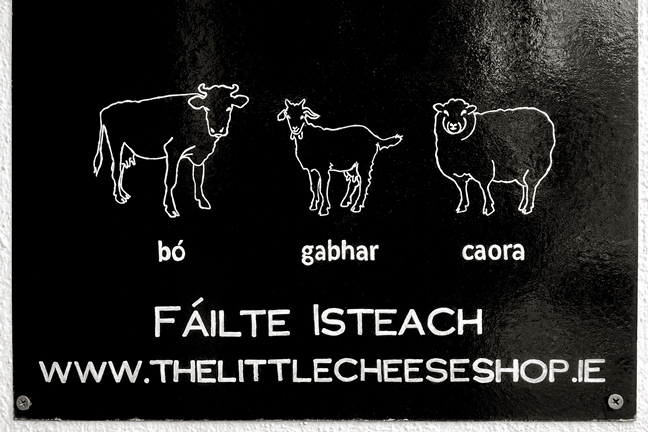
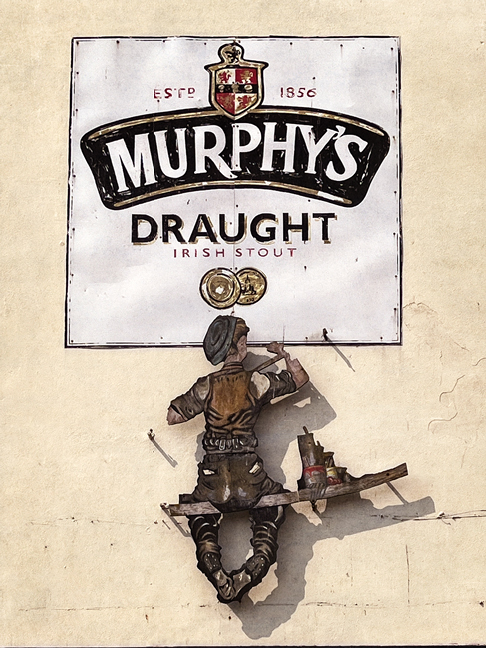
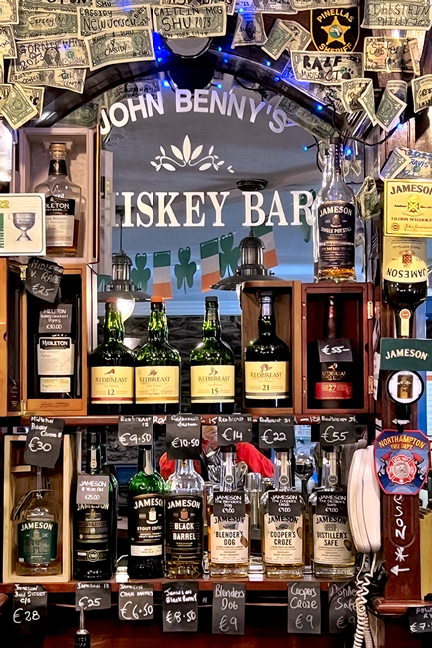
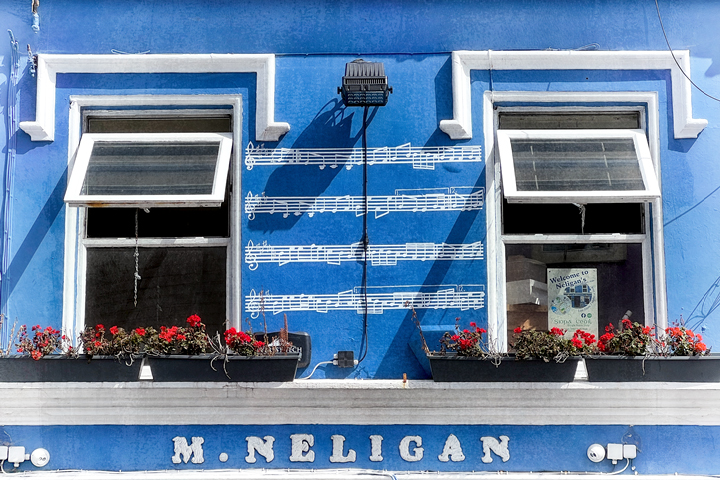
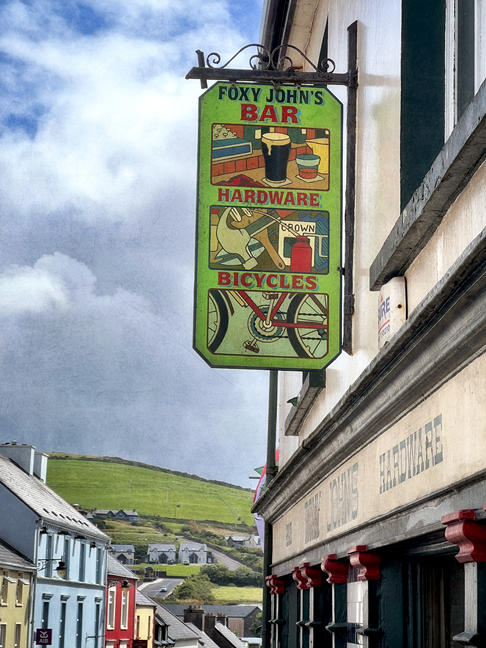
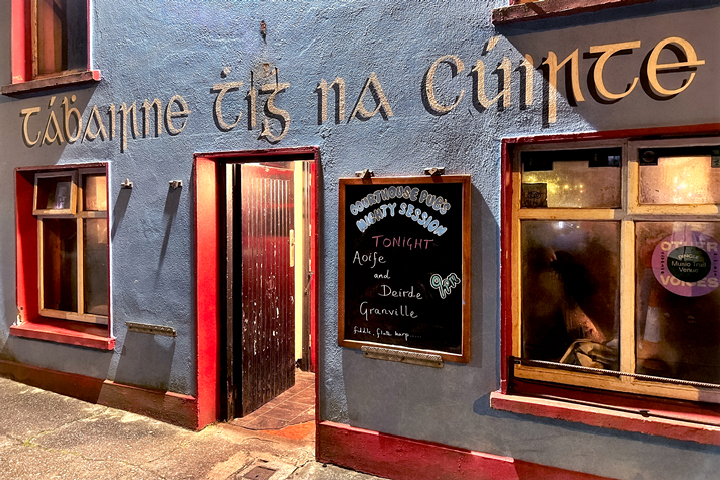
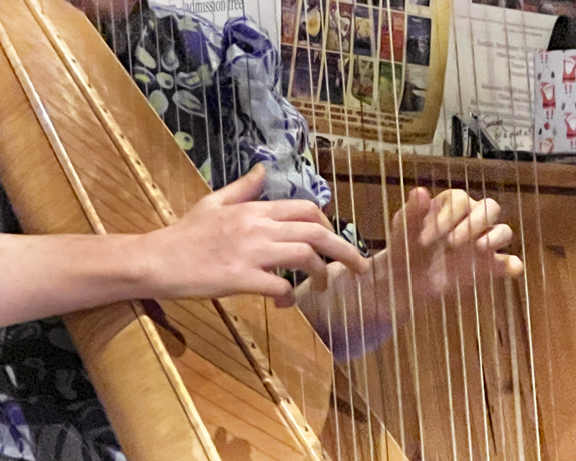
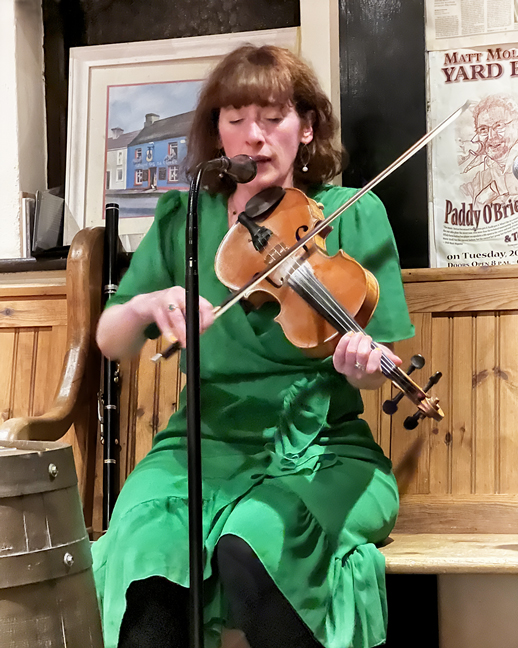
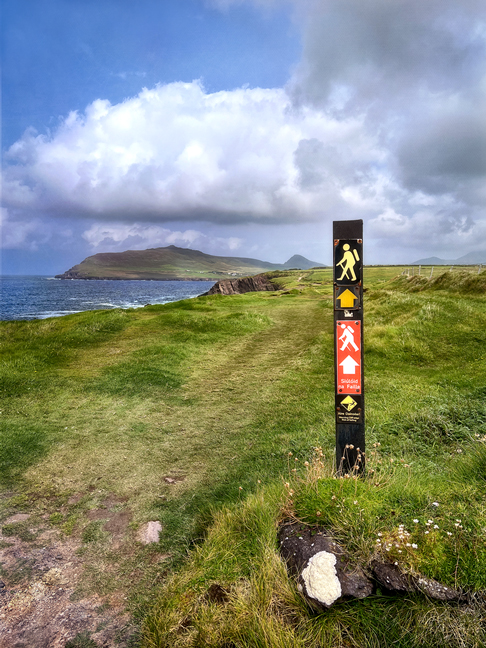
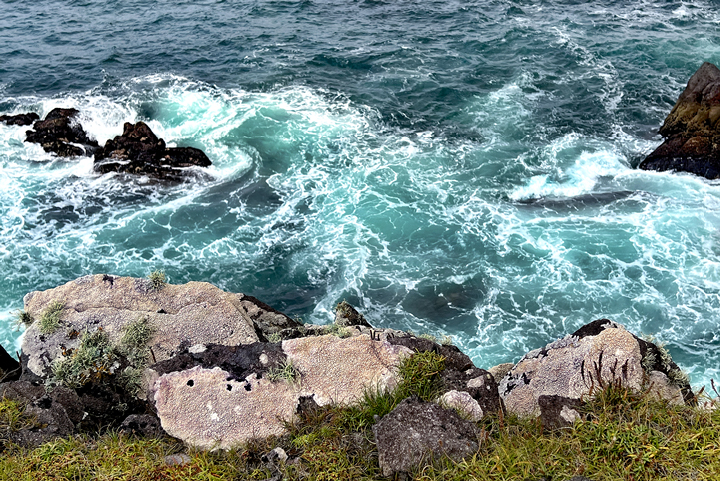
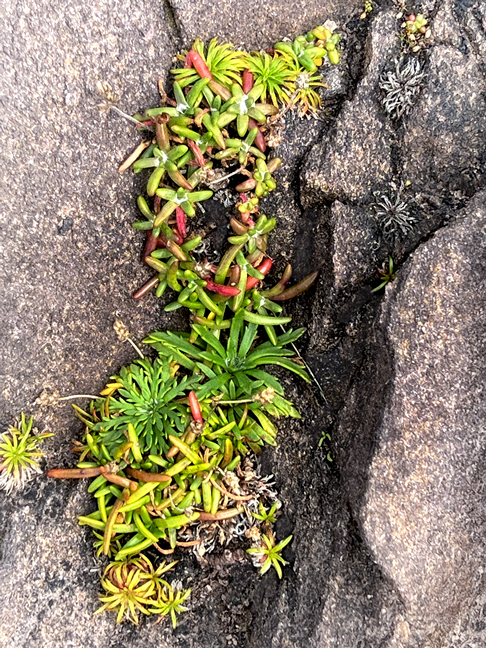
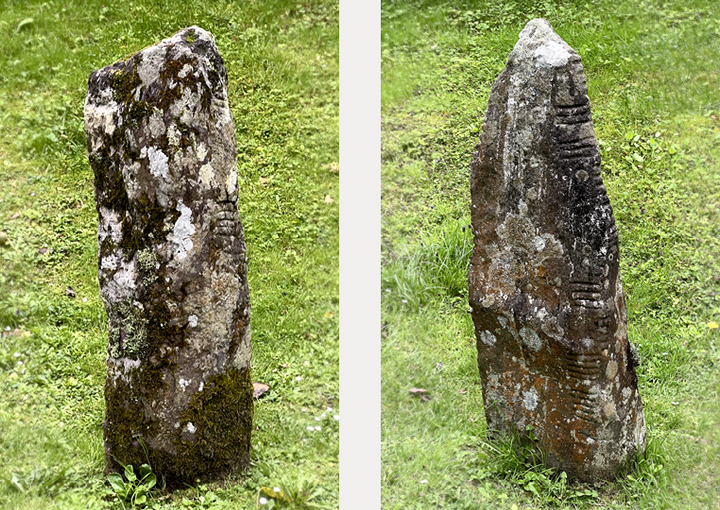
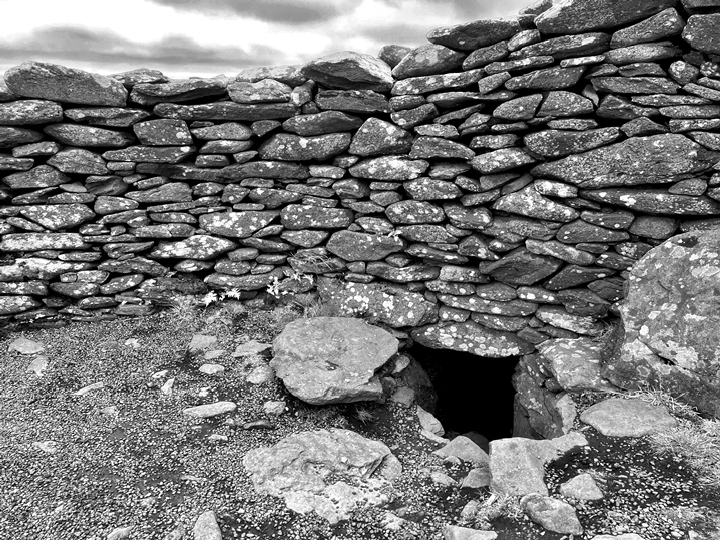
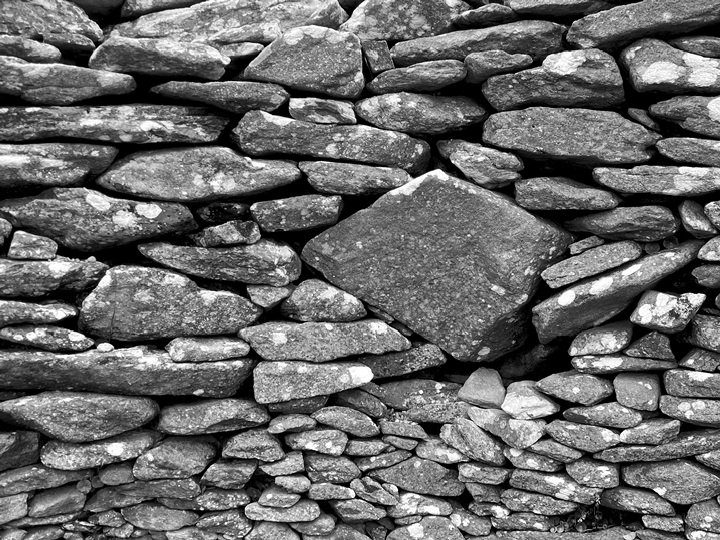
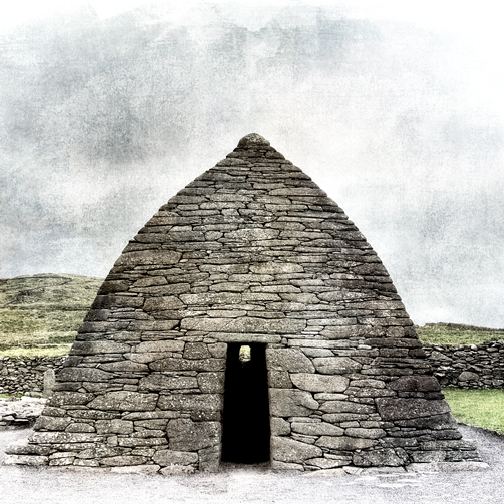
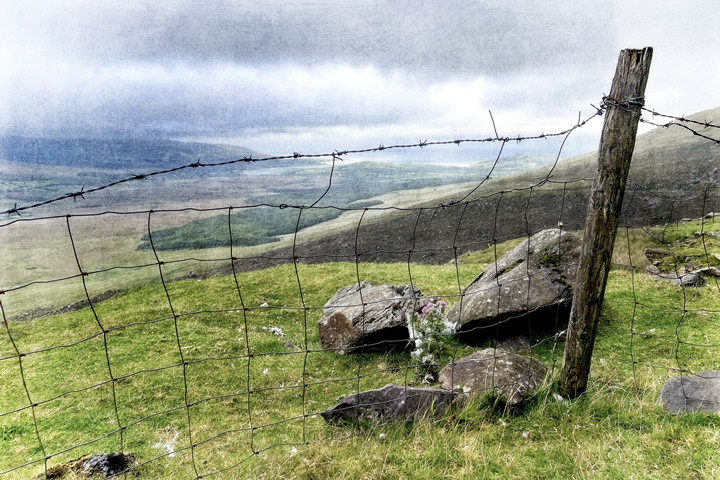
One day we had a tour of the Slea Head Drive with a fantastic guide named Karen, who is also active in the local volunteer coast guard. It was a tour that included stunning ocean views, human structures dating back several thousand years, dramatic coastal paths, one great mountain pass, and plenty of story-telling.
Cork
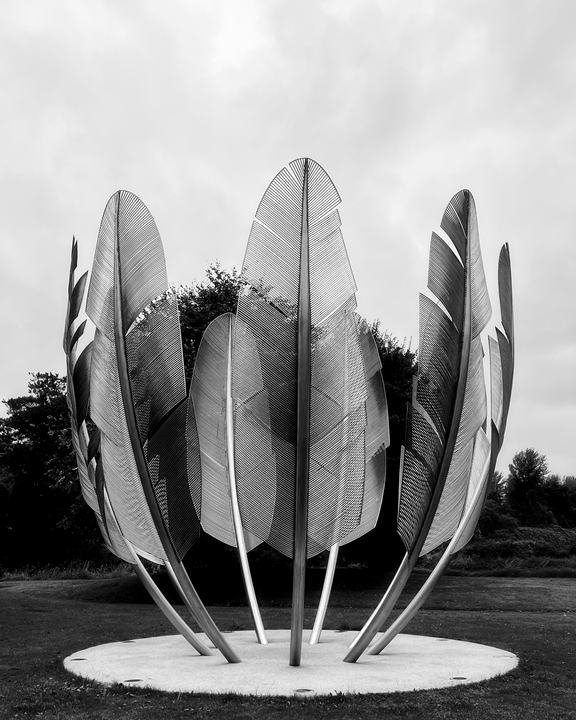
We drove from Dingle toward Cork, and before I dropped Amy at the Ballymaloe Cookery School, we stopped at the stainless steel memorial sculpture named “Kindred Spirits,” which I’d wanted to see since last year, when my friend Connie told me the story of the Doo Lough Tragedy in County Mayo. (Go here to read my story; scroll down to the section titled “Westport, Day 2.”)
During what came to be called the Irish Famine, aid poured in from around the world, but perhaps the most moving was the money raised by the Choctaw People, who themselves had only 16 years earlier survived a death march from their homes in Mississippi and Alabama to unknown territory in Oklahoma. Destitute and in poor health themselves, these people nevertheless recognized other people in need, and scraped together a donation of $170 to send to Ireland, the equivalent of many thousands of dollars today. This act of human kindness and generosity has never been forgotten, fostering a deep connection between the Irish and the Choctaw peoples that continues to thrive today. I wanted to see the sculpture that memorializes this remarkable moment of humanity.
“How can men feel themselves honored by the humiliation of their fellow beings?”
—Mahatma Gandhi
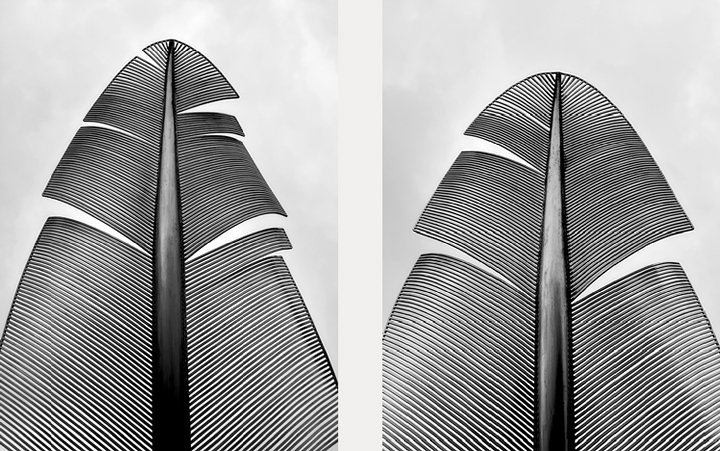
The sculpture is about 6 meters tall (20 feet) and each of the nine feathers is unique. The feathers are curved and positioned in a bowl shape to represent a gift of food.
Amy and I enjoyed a delicious lunch at Ballymaloe, and then we said our goodbyes: I had planned a few days in County Cork, and Amy would soon be continuing her travels in Italy.
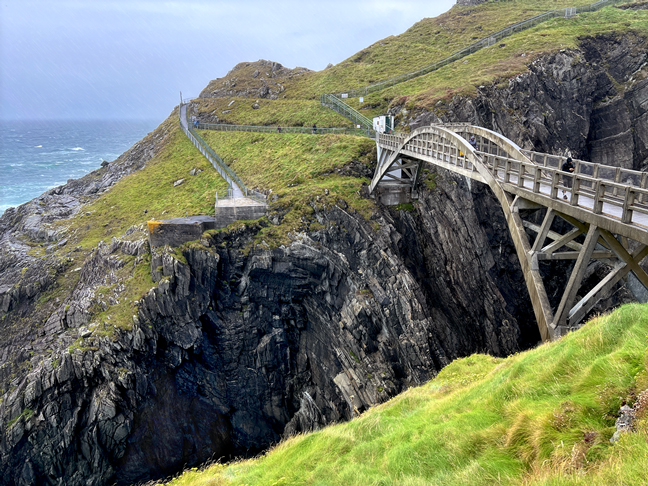
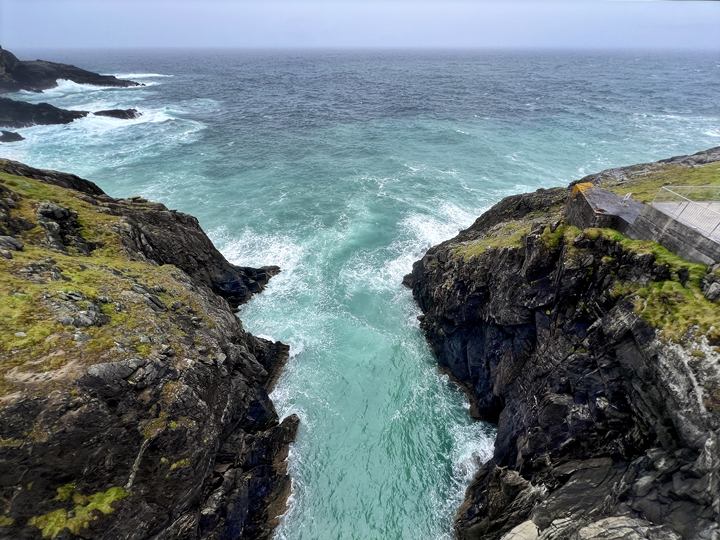
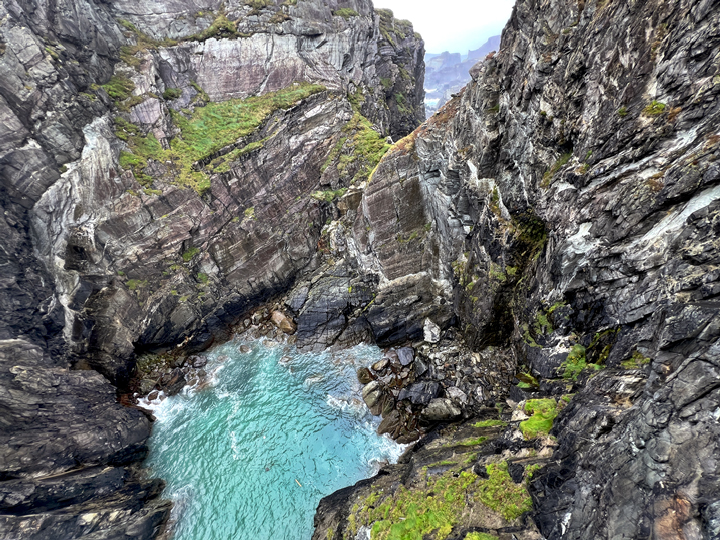
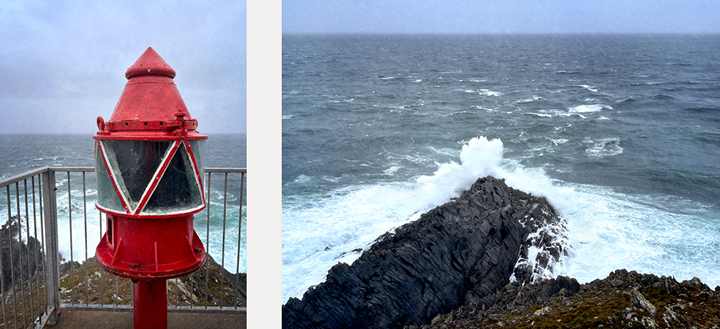
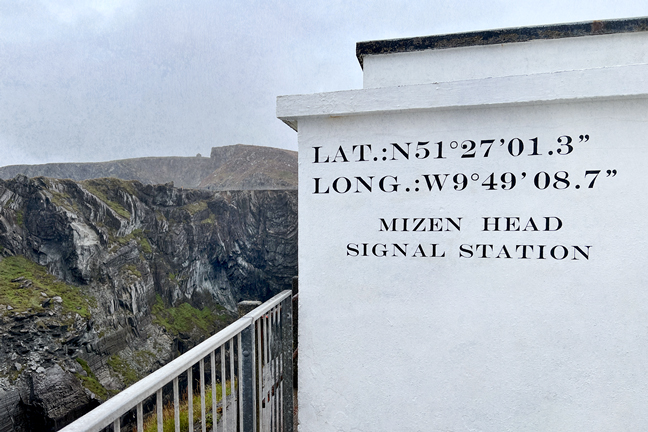
Last year I had visited Malin Head, the northernmost point on mainland Ireland. (Click here for my story; scroll down to the section titled “A day trip further north.”) This year, and just because I was so near, I decided to balance things out with a trip to see the southernmost point of Ireland, Mizen Head.
I later learned that nearby Brow Head is further south by a few meters. Should I go there, just to be accurate with my story? It matters not, because Mizen Head is a spectacular place to spend a little time.
I took a day to visit the city of Cork, with the intention of seeing some Harry Clarke stained glass. I first headed to the campus of University College Cork (UCC) and the Honan Chapel, where I found a wedding taking place. So I turned a different direction and walked over to the Cork Public Museum for a bit of local history, seeing some wonderful examples of ogham stones and Iron Age carved stones, a few sheela-na-gig figures, a nice timeline of the history of human settlement in Cork, and finally, a space devoted to the people known as Travelers.
A longer walk took me to the Crawford Art Gallery in the center of Cork, where I hoped to see some early Harry Clarke stained glass, but I learned that the display had just been boxed up because there’s a multi-year project of refurbishing that space. Dang! I decided to peek into the tiny gift shop for something about Clarke’s work. While browsing some books on stained glass, a woman approached me and asked if I needed particular information. I turned to her and, as so often happens in Ireland, ended up in a nice long conversation with her and her companion, who turned out to be Michael Waldron, the curator in charge of the museum’s stained glass collection. It was delightful, and I left with some ideas for other places to visit for a look at stained glass.
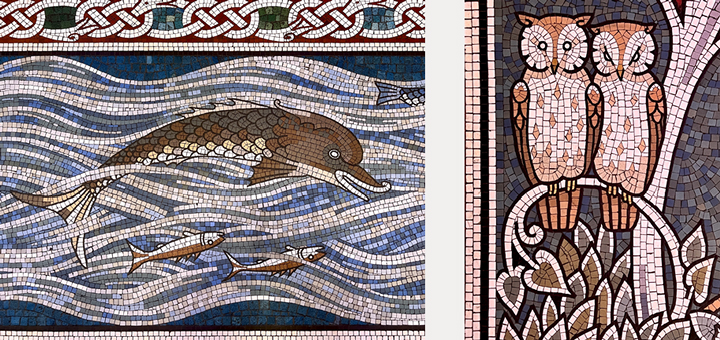
After stopping for lunch, I walked back to the UCC campus and had a good visit to the Honan Chapel, which I had all to myself for a while. The Celtic Revival architecture and a rich display of Irish crafts combine in this charming chapel.
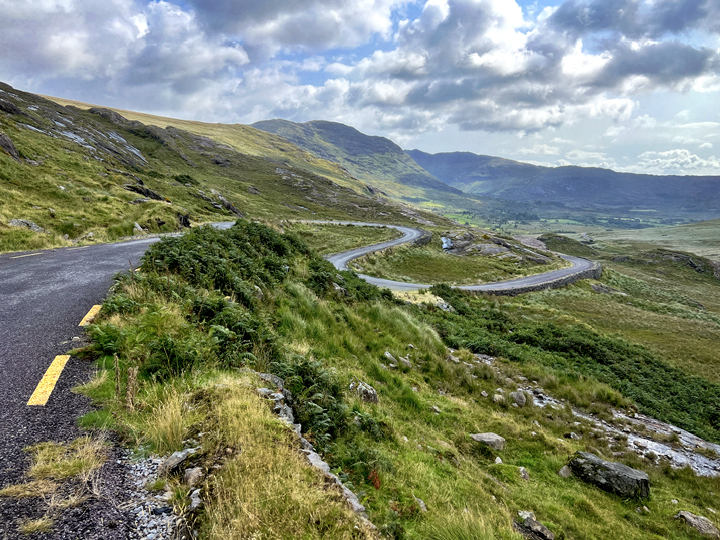
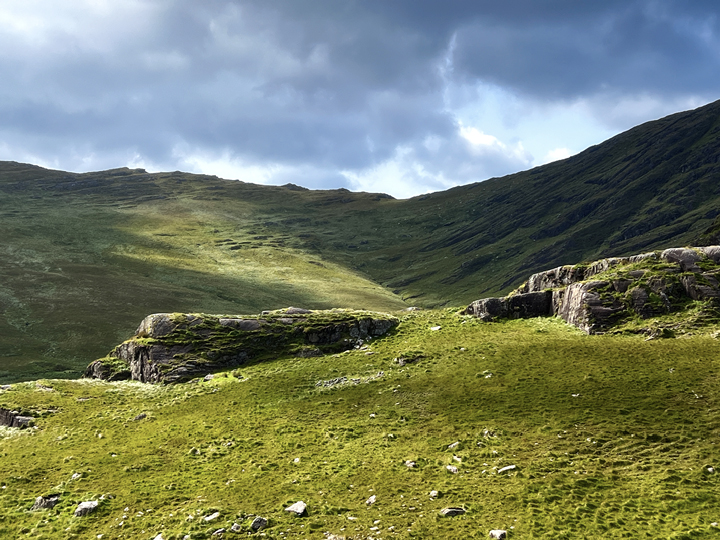
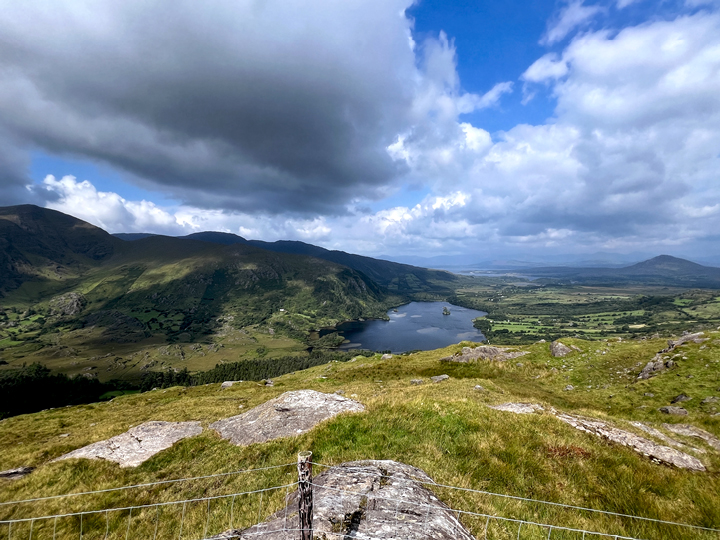
I set out one day to take a drive recommended by my friend Jim: a tour of the Beara Peninsula to include town and country, seaside cliffs and another of Ireland’s thrilling mountain passes. Unfortunately, partway through the drive, I began to feel unwell and it seemed best to return to my lodging to get some rest. I will return, though, because what I saw was stunning.
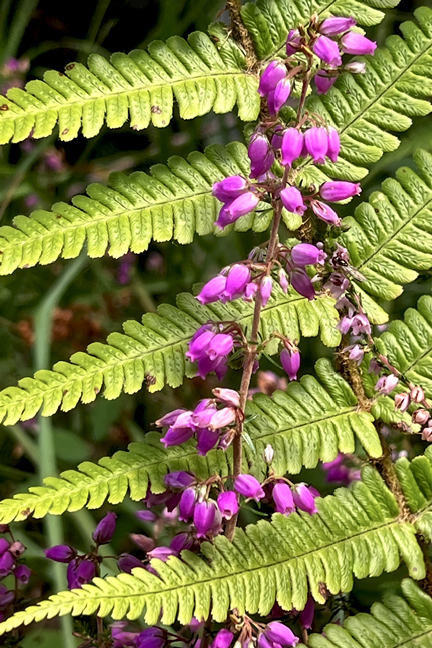
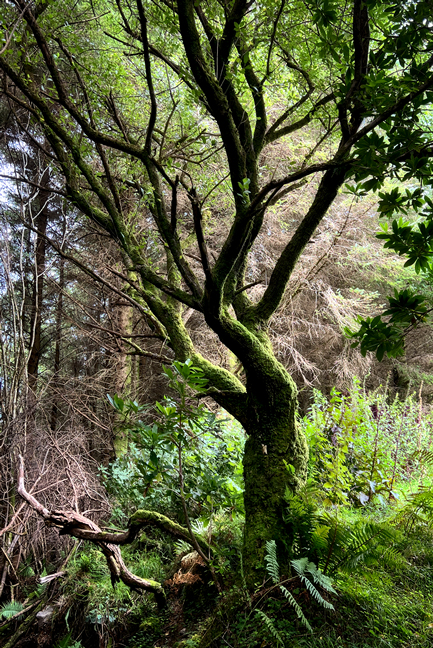
Of rocks and beaches
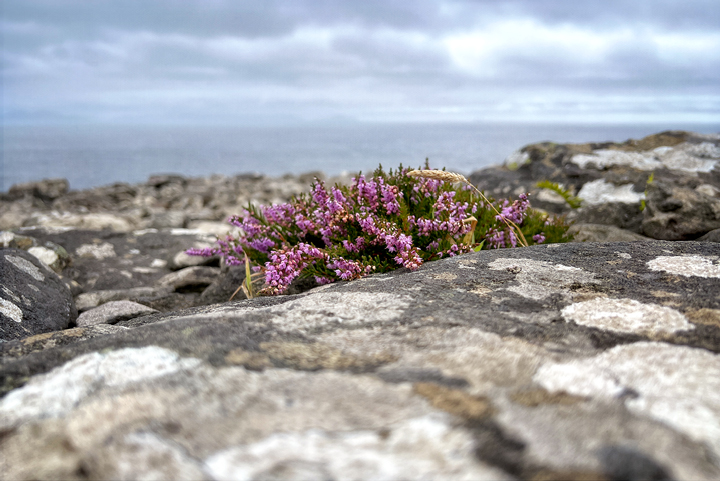
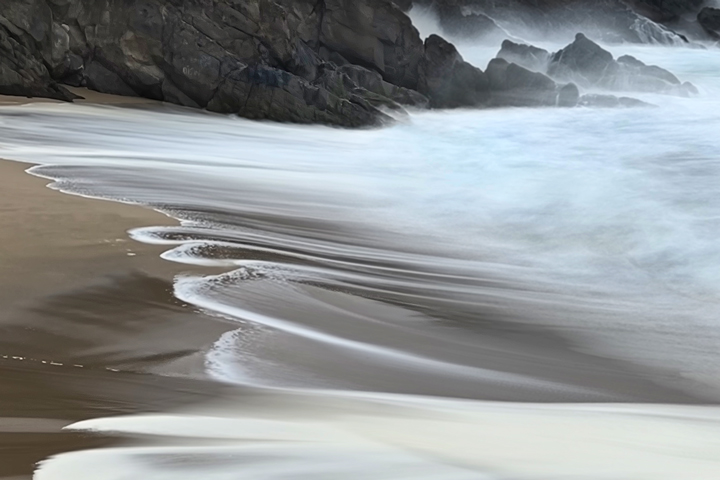
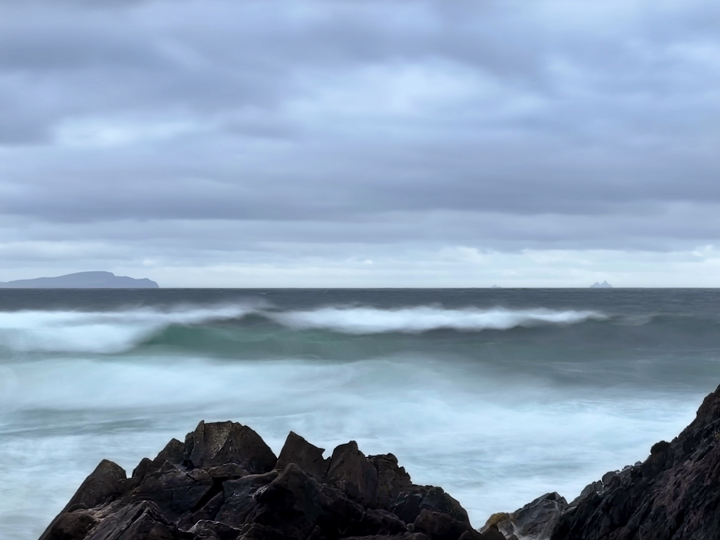
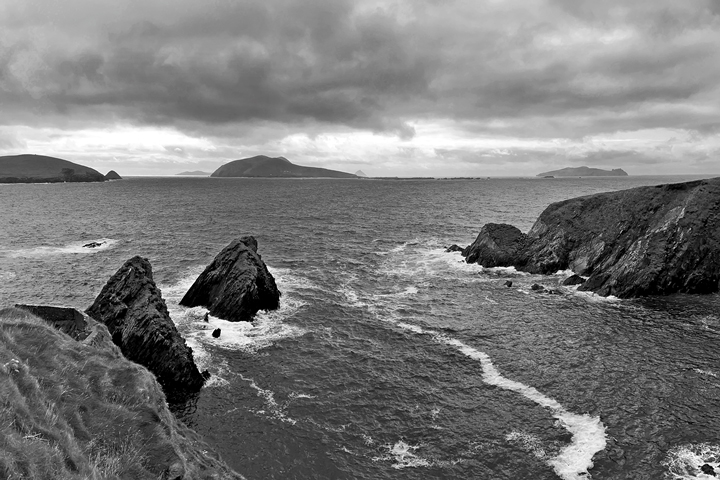
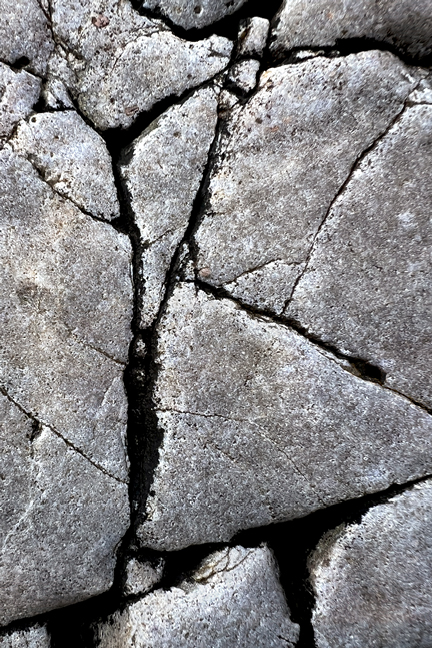
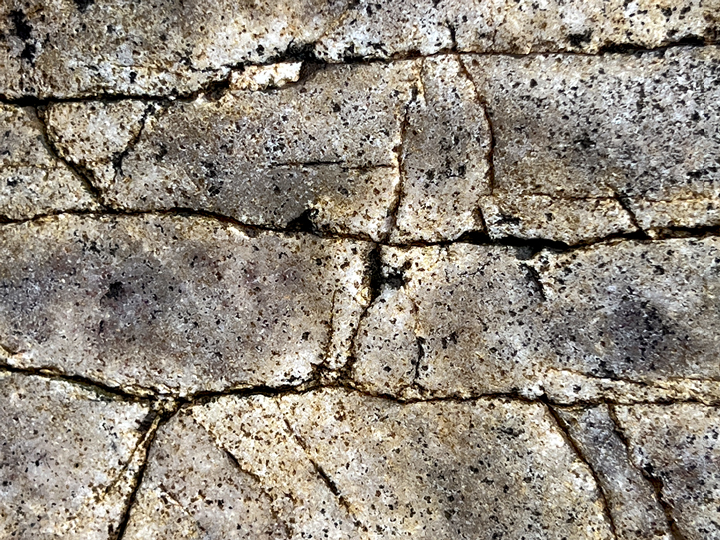
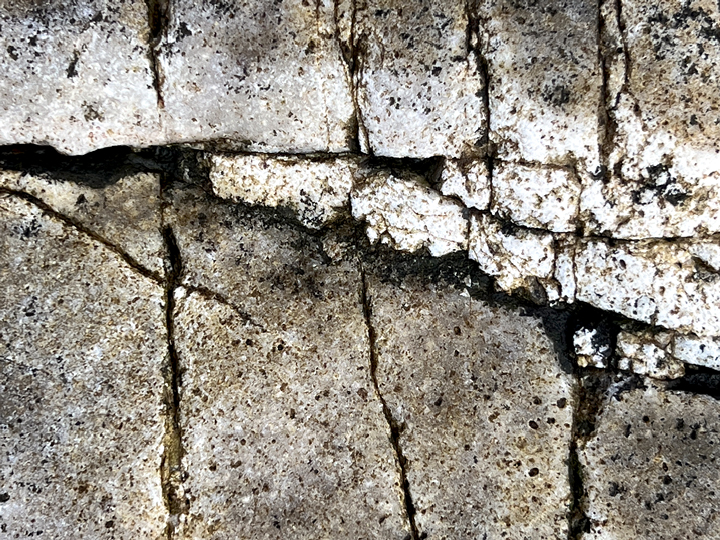
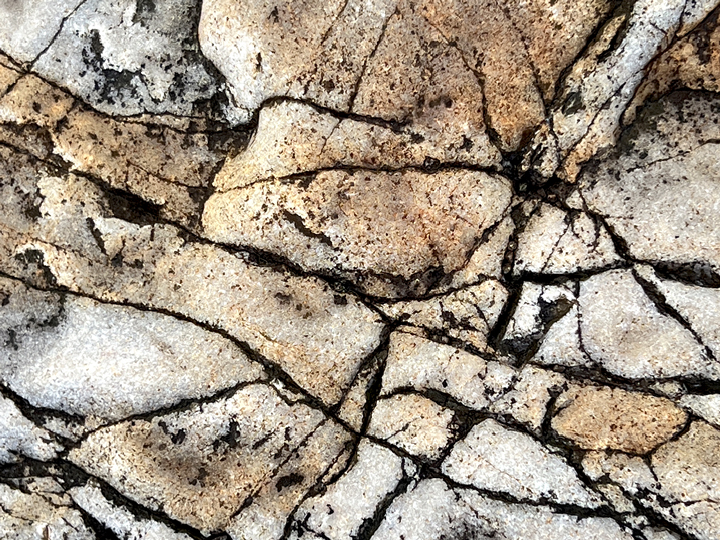
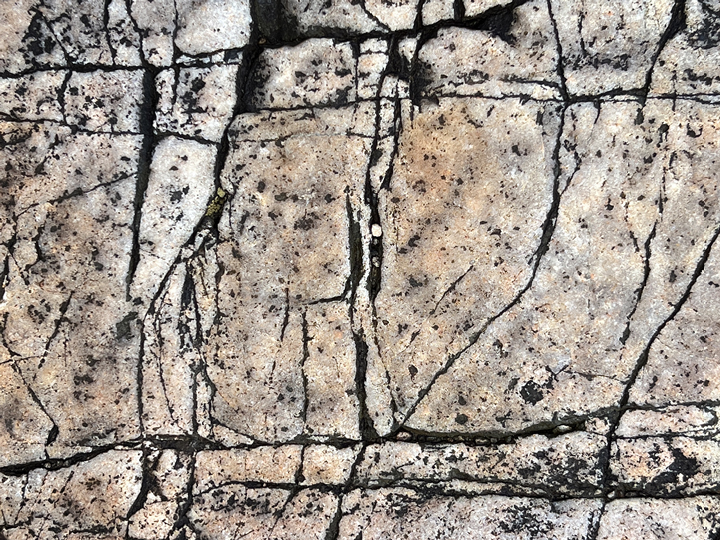
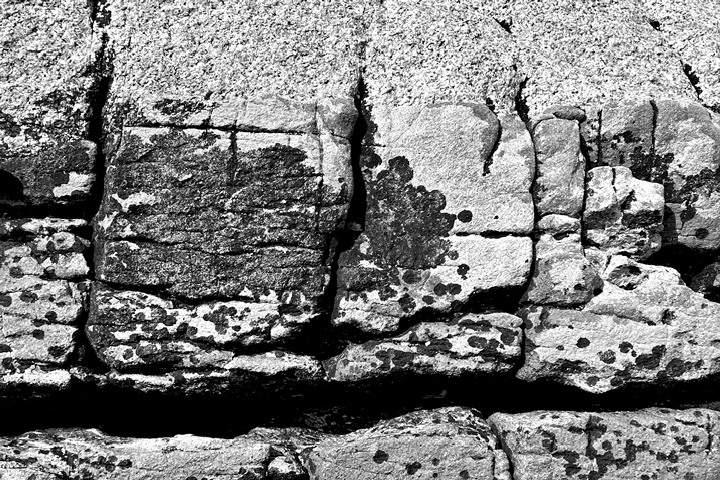
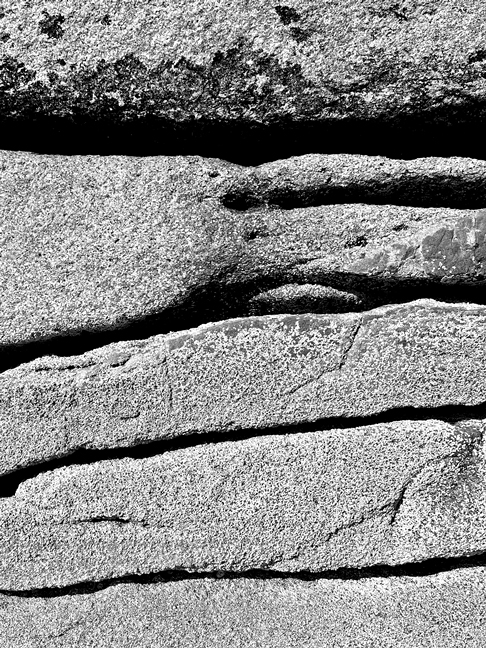
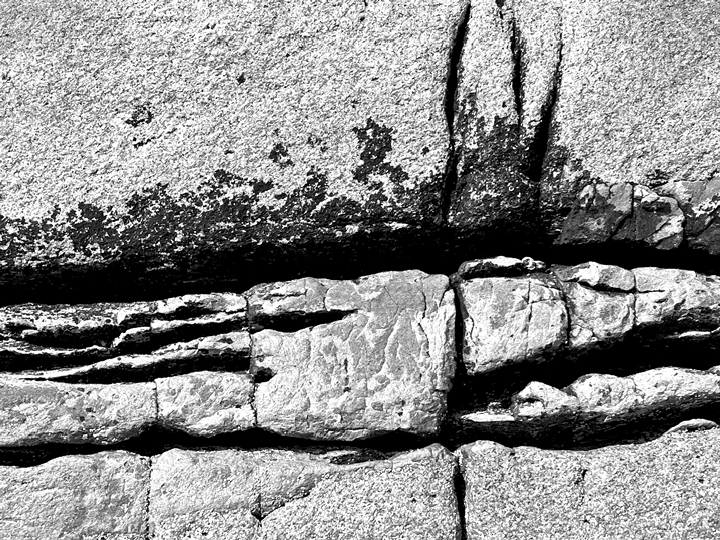
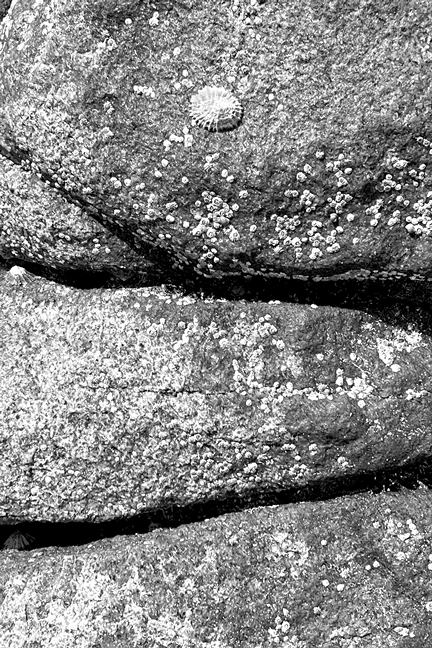
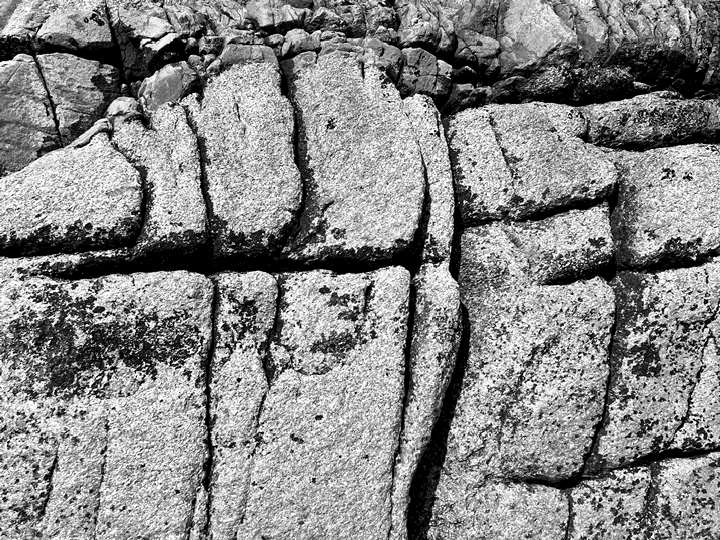
Ireland has gorgeous beaches, and many of them are tucked into dramatic places with rough cliffs and fascinating rock formations. I made photographic studies at two locations: Great Pollet Sea Arch (color photographs) and Mullachderg Beach (black-and-white photographs).
Great Pollet Sea Arch
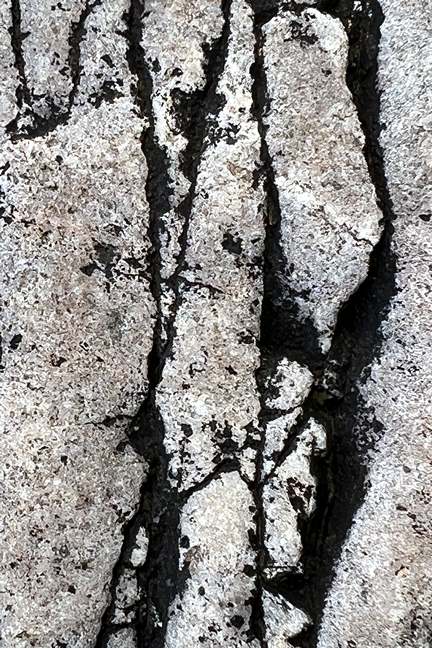
Mullachderg Beach
Parting shot
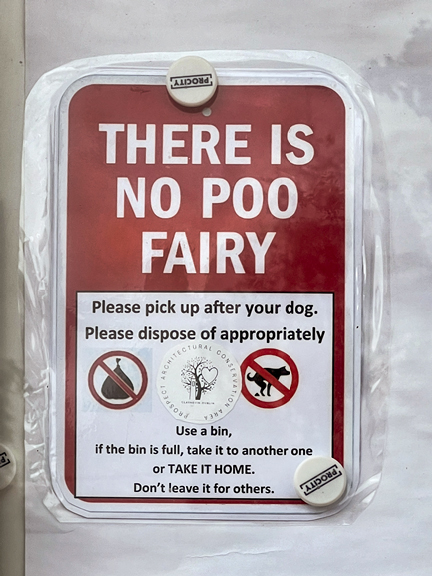
One last photo to bring a smile to your face.
 Lo Vedo Life
Absolutely lovely. Thank for the smile on my face after revisiting Ireland through your eyes. Whether I make it again physically or not, this was a sweet way to see more and feel their energy through your eyes and words. And as the man I met the second day I was in Ireland says, “And I wish you every happiness”.
LikeLike
Bonjour Bobbie,
Thanks for stopping by, and for saying such lovely things. I’m glad you enjoyed your vicarious travels! And that Irishman’s wish is so perfectly wonderful that I might start using it myself. 😘
LikeLike
Dear Lynne, As always, your images and writings are captivating! I had lunch with Shirley Epstein a few weeks ago (Judy’s sister-in-law) . She just turned 95! We were talking about you and I sent her your blog but have since found out that, although she has an email address, she cannot read anything (macular degeneration). Anyway, David is moving to Boulder. Shelly continues t bemoan her fate and Robert is happy and well. Take care and continue to share your wonderful work. Barbara Carpenter
LikeLike
Dearest Barbara,
What a treat to hear from you! Thank you for your generous compliment, and also for the newsy catch-up on things in Denver. What’s YOUR photographic world like these days? Anything I can see online? Be well.
LikeLike
I always enjoy reading about your travels & your pictures bring your words alive. How nice you could spend time w a friend, even when you were both under the weather.
LikeLike
Hello Cathy,
You always brighten my day when you stop by to say hello, and I thank you for your kind words. It makes me happy to know that people like to journey right alongside me. ☘️
LikeLike