
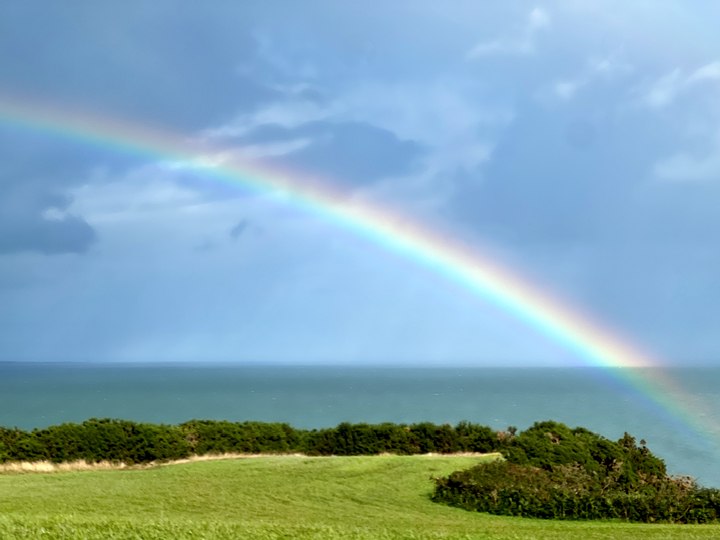
If there were to be a leprechaun and a pot of gold, I think this rainbow would be a good place to find them. My friends Rosemary and Mike gave me the delightful gift of a tour of some of their favorite places in Northern Ireland, and our journey was filled to the brim with magic, discovery and laughter. The rainbow came at the end of one very special day, and it nicely summarizes the story of our adventures.
Pour yourself a cuppa or a glass of whiskey, because this is a long one!
Chapter one: Donegal
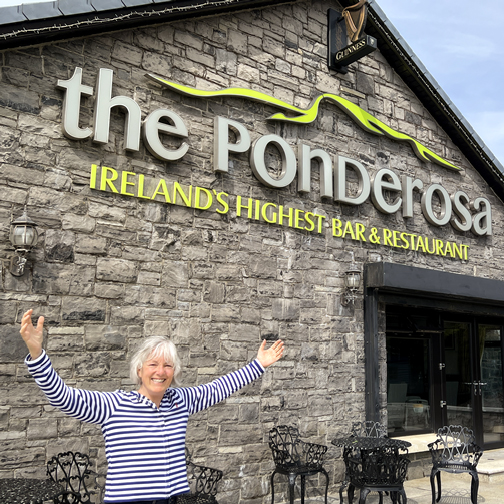
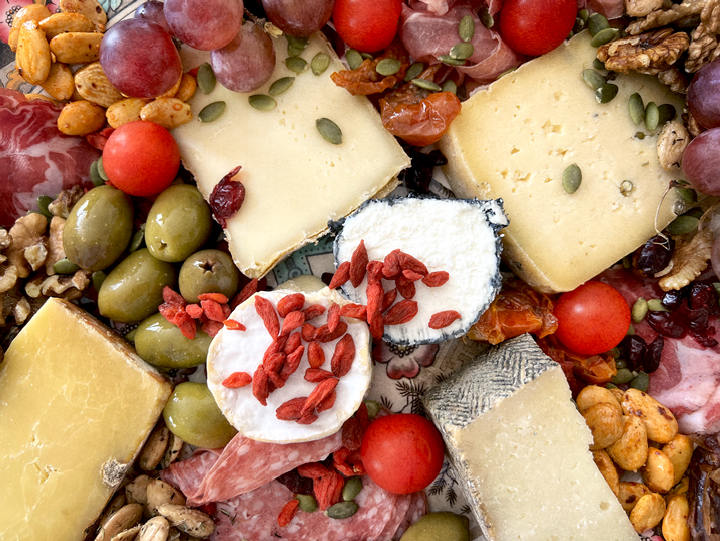
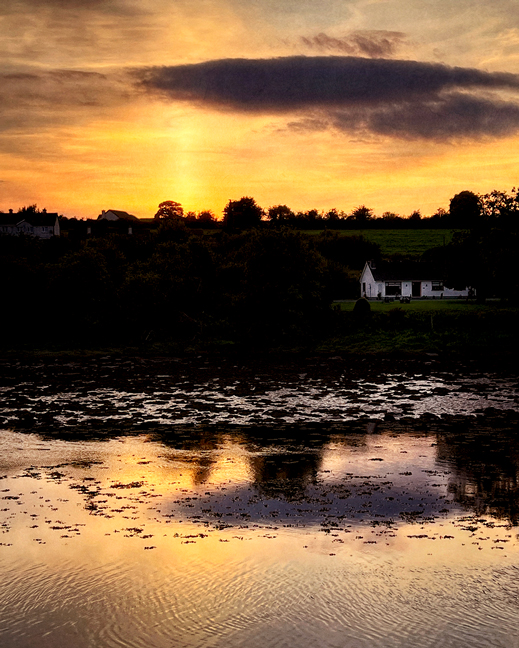
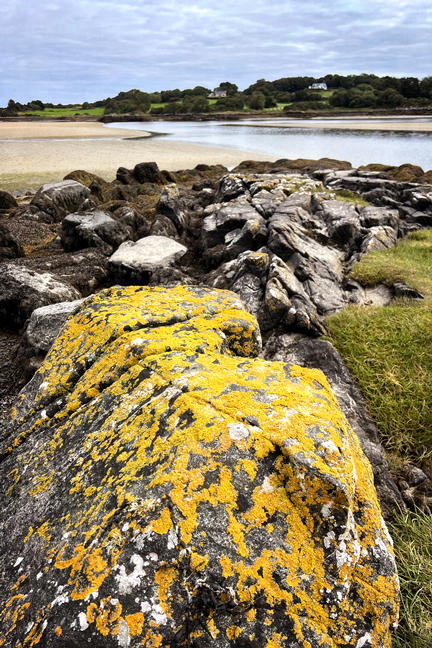
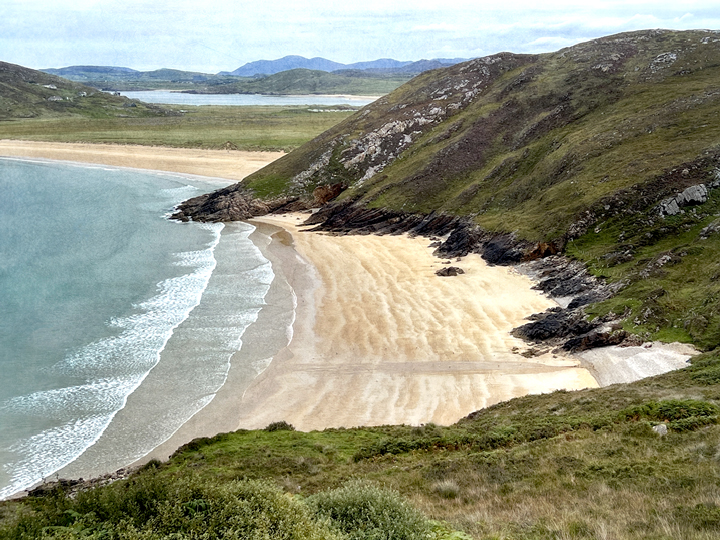
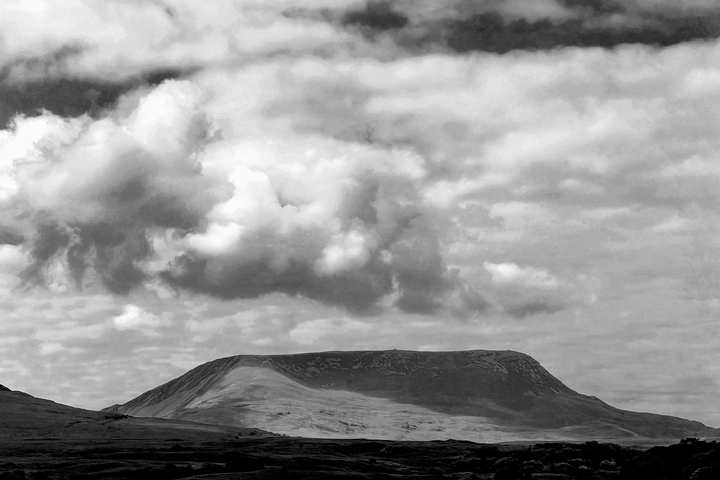
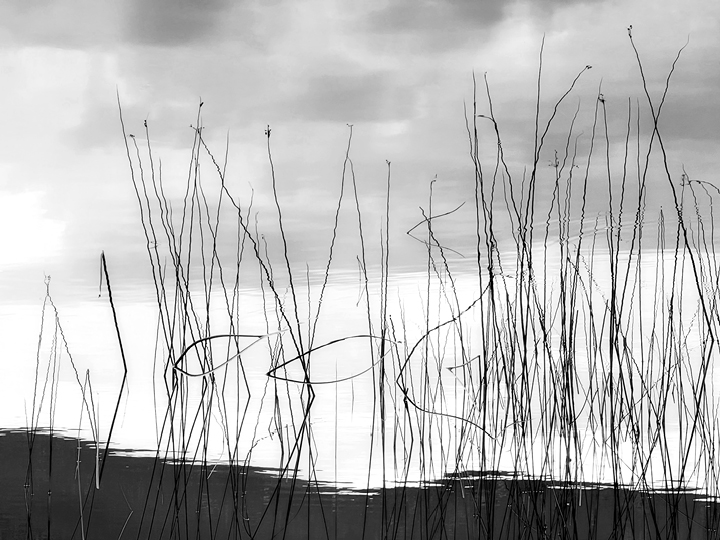
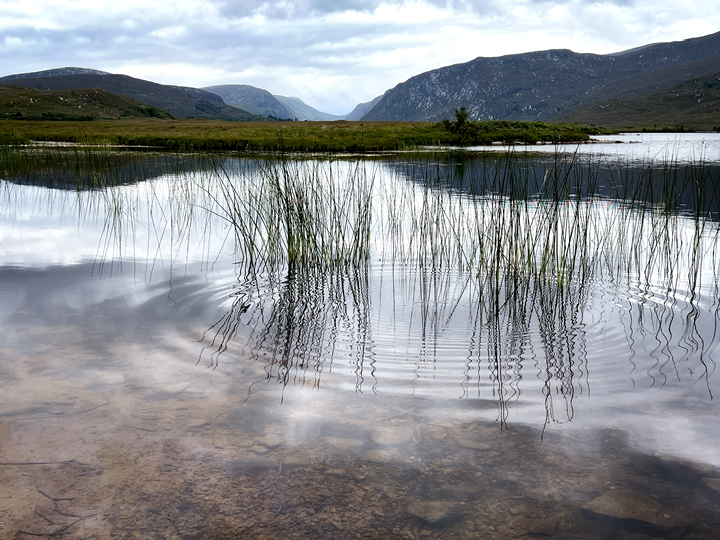
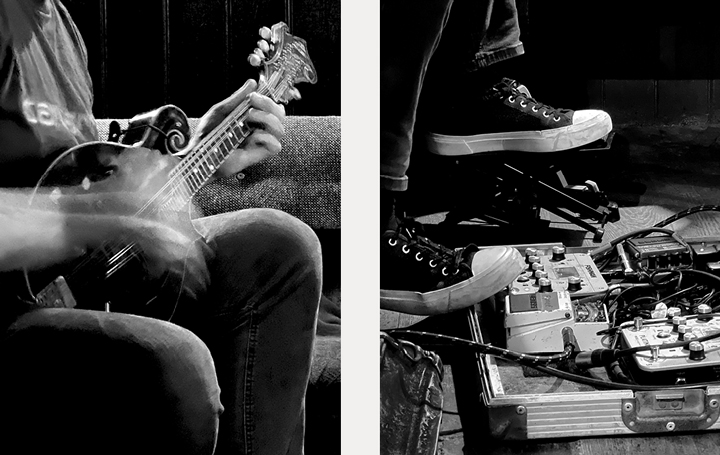
Before we jumped into discovering Northern Ireland, I wanted to share one place that is special to me: the town of Ramelton in County Donegal. Rosemary and Mike had spent a lot of time in Donegal, too, and we all had things to show each other. We passed two lovely days exploring, telling stories and finding delights that were new to all of us.
Chapter two: Portrush and the north coast
From Ramelton, we drove into Northern Ireland and to the coastal town of Portrush. Rosemary and Mike’s friends Andrina and Pamela had generously offered to let us stay in their caravan during our time in the area, and it was great to have a cozy home away from home while we found adventures along the north coast.
Portrush town
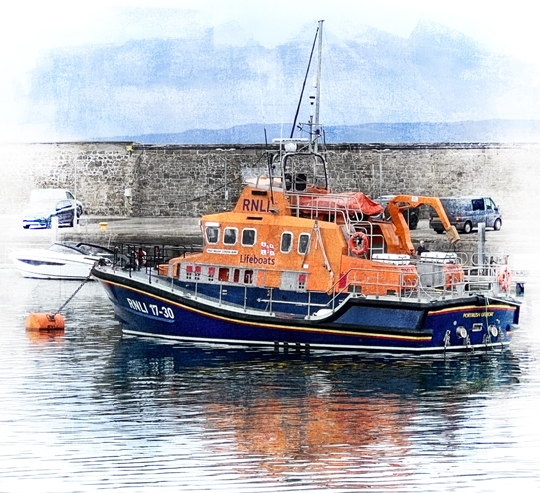
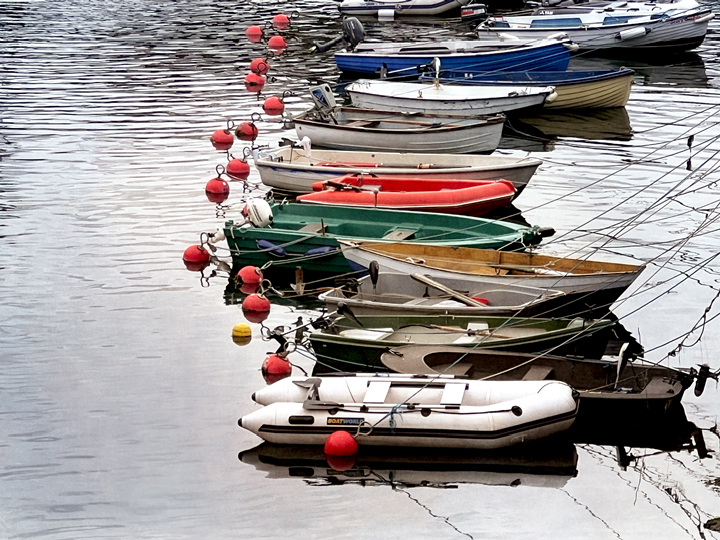
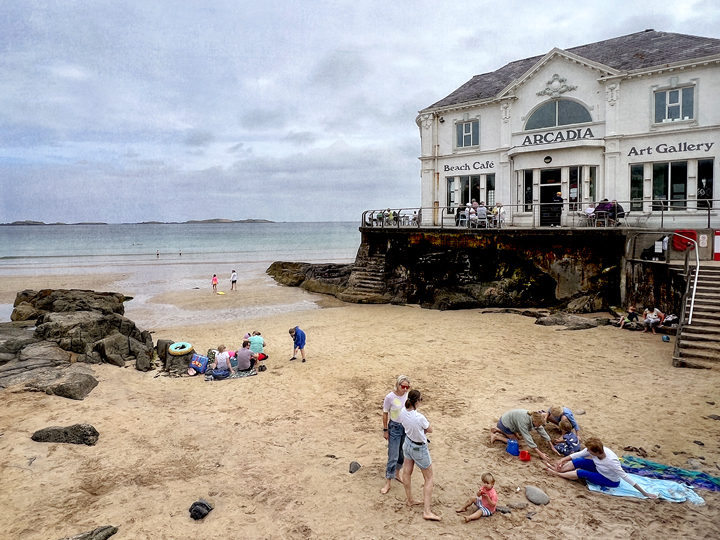
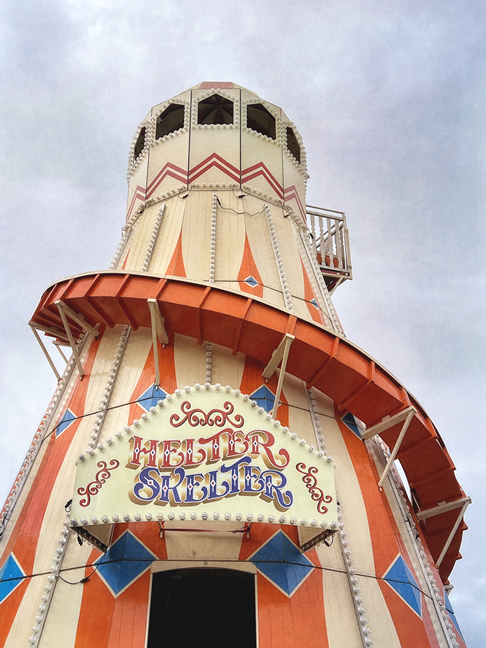
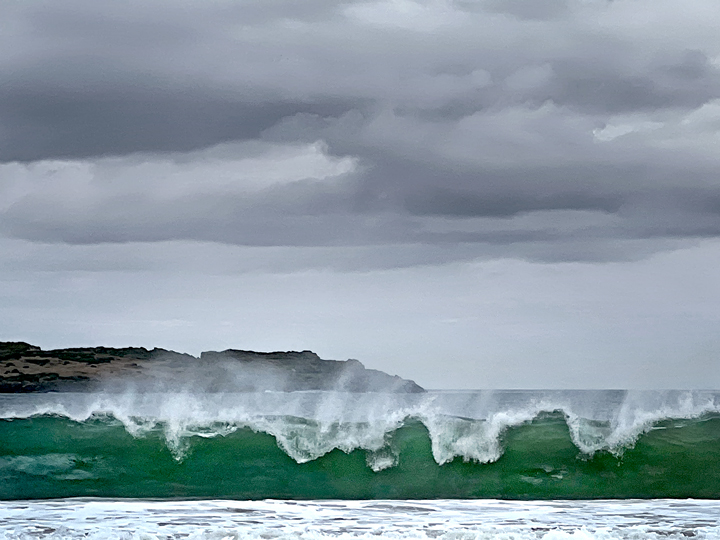
Portrush is a seaside resort on the north coast of County Antrim. It’s easy to feel the decades of holiday atmosphere as you walk around the town, ducking into shops, watching families build sandcastles on the beach, and checking out the historic rides in the amusement park.
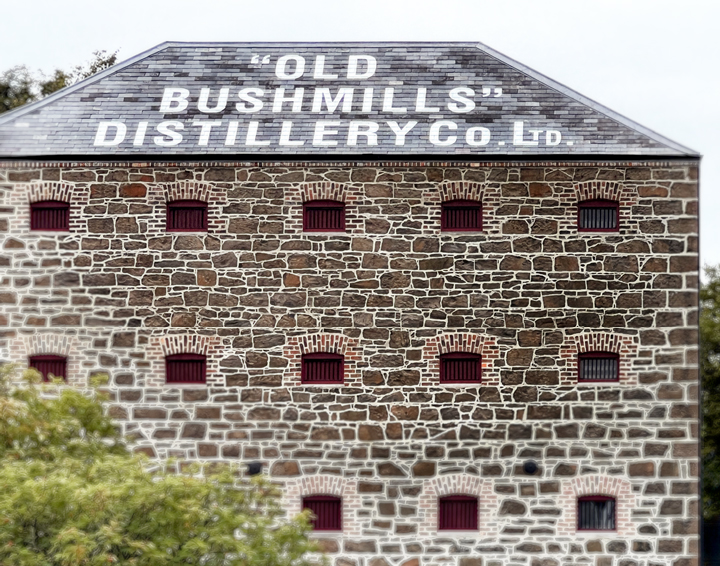
Bushmills Distillery
Receiving its distilling license in 1608, Bushmills is the oldest licensed whiskey distillery in the world.
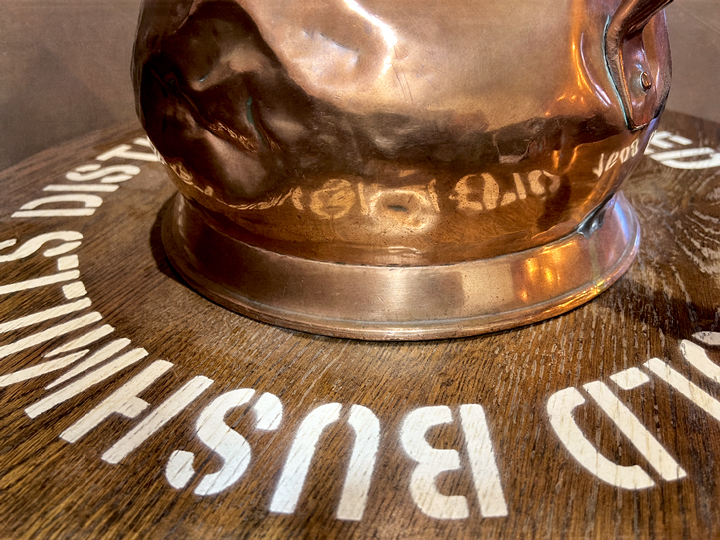
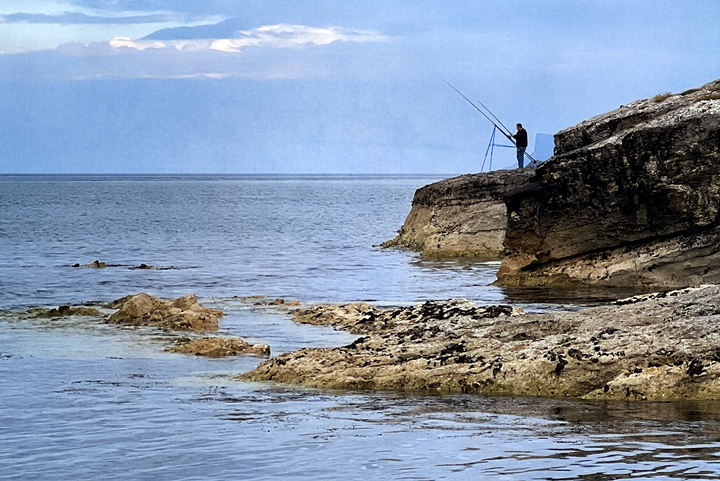
Along the North Coast
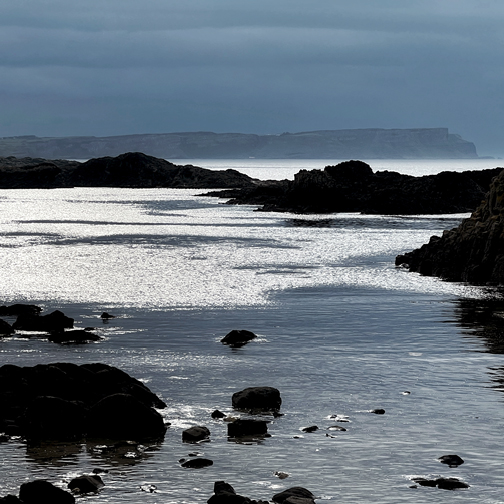
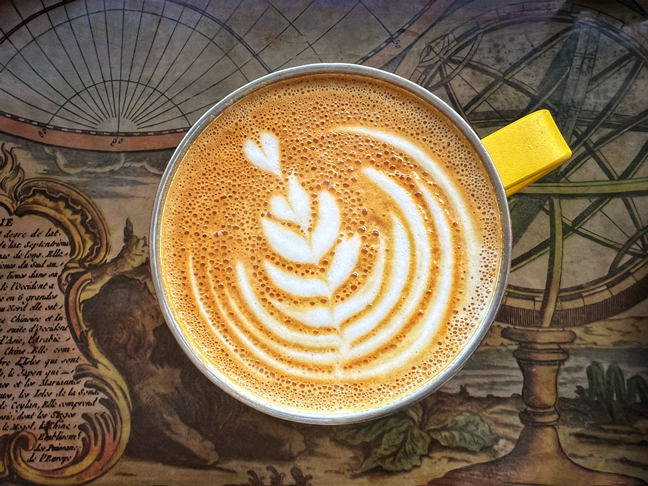
Over the course of several days, we explored the dramatic northern coastline, visiting tiny harbors and beaches, poking around a castle that appears to be falling into the surf, and finding one dandy coffee shop.
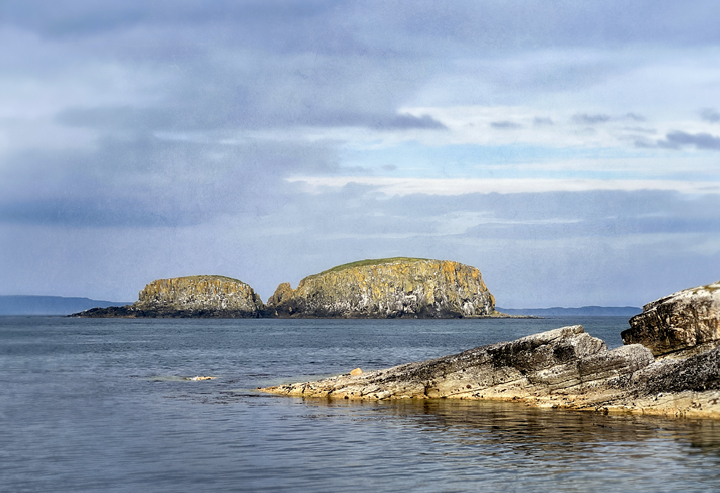
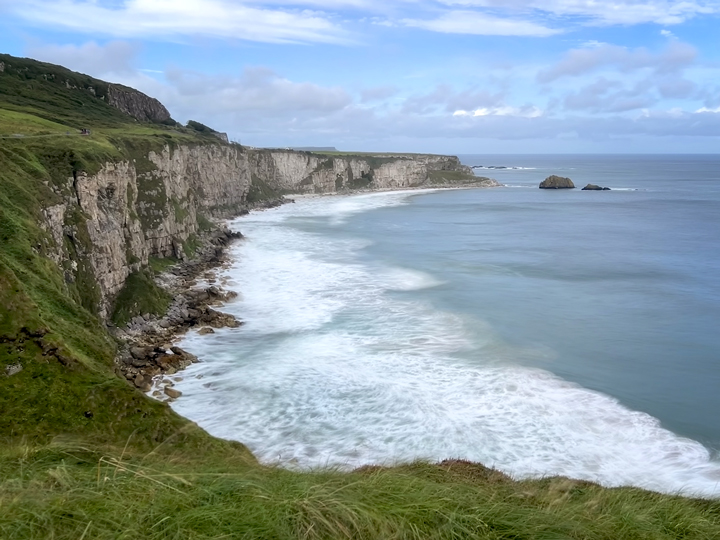
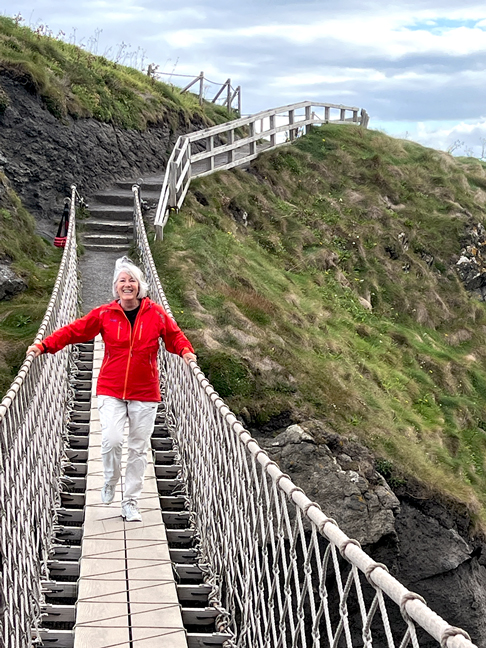
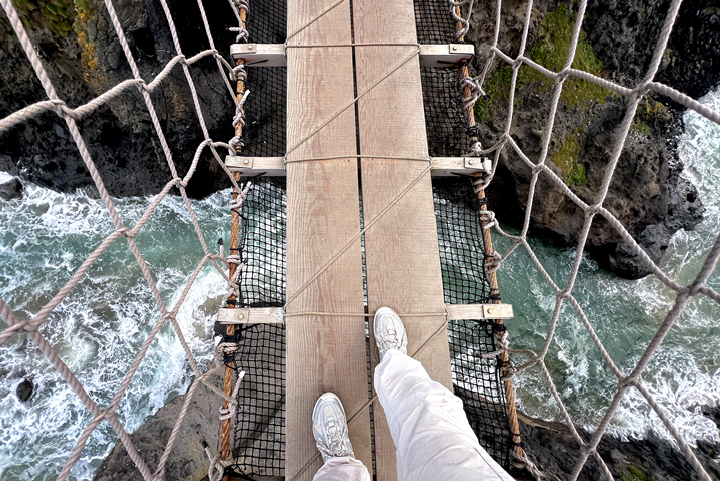
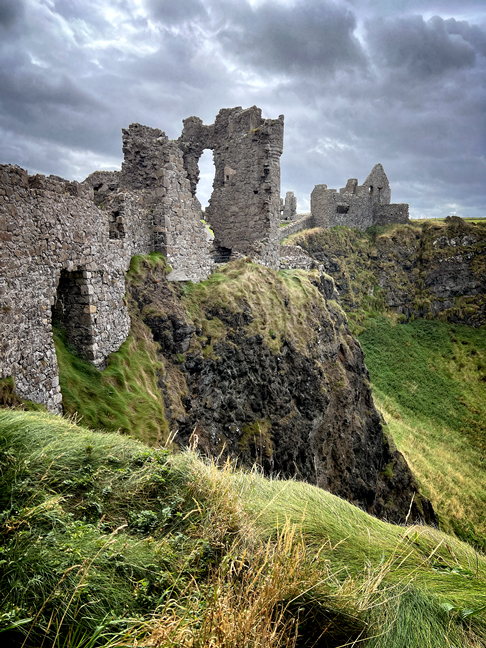
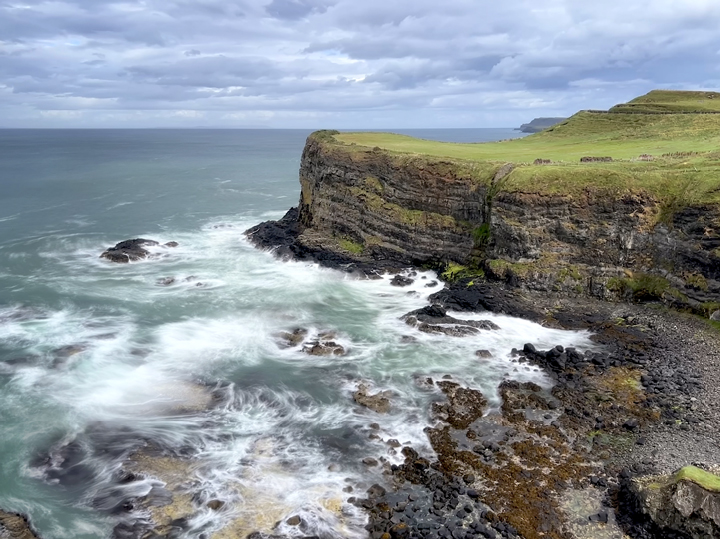
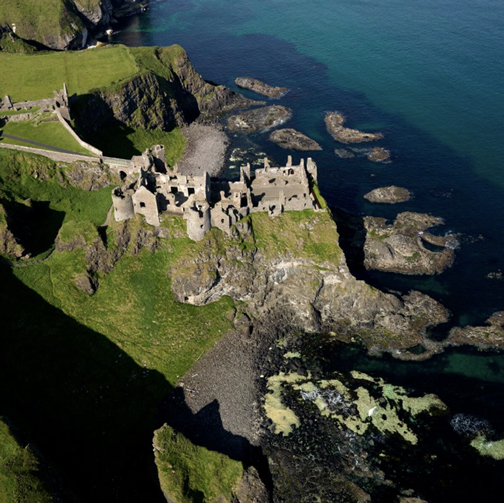
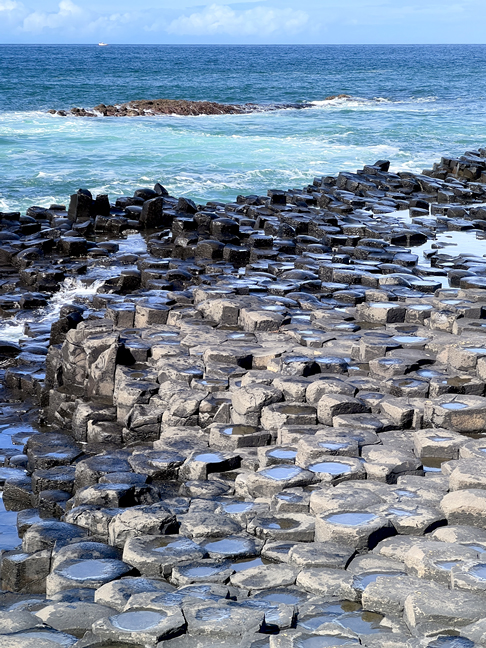
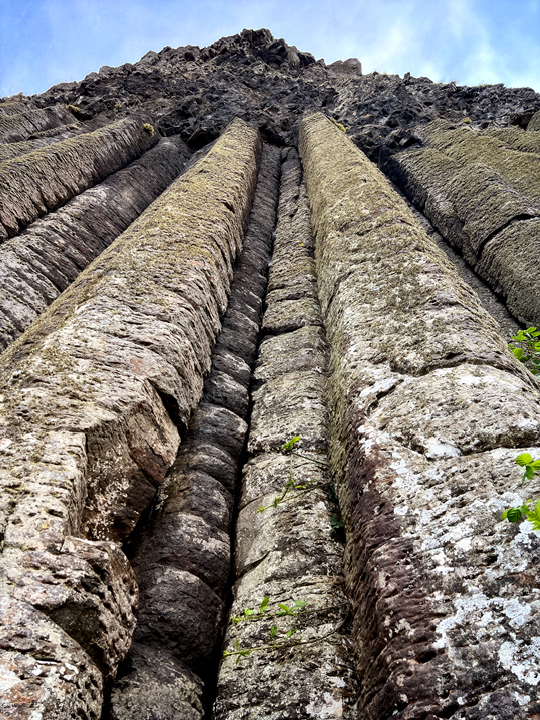
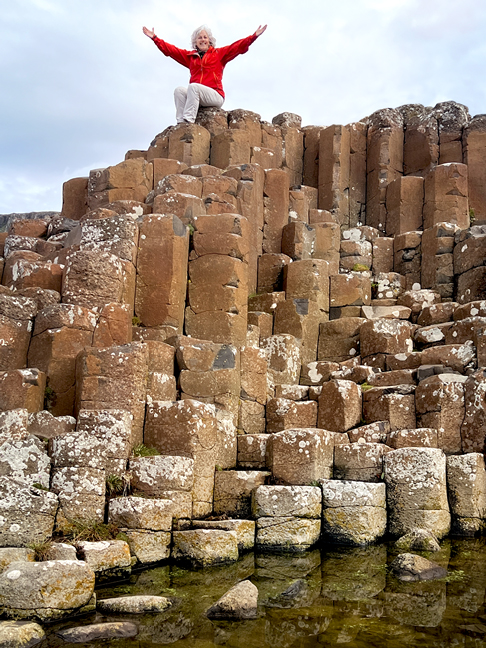
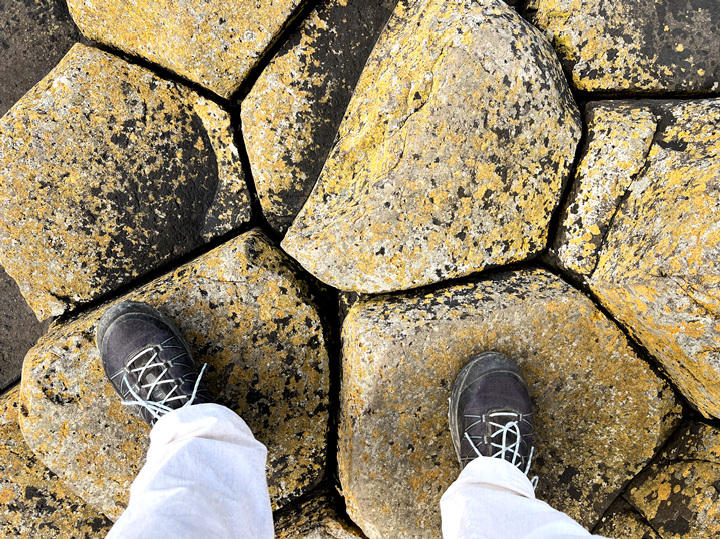
The Giant’s Causeway
Once upon a time, there was a giant named Fionn Mac Cumhaill (Finn McCool). Finn was the biggest and strongest and bravest of all the Irish giants, and everyone knew it. But one day, Finn received a challenge from a Scottish giant named Benandonner, who wanted to fight Finn—and of course, to win—so that he could claim to be bigger and stronger than any ol’ giant from Ireland.
This angered Finn, who went out to the Antrim coast and began throwing big rocks into the water. He quickly realized that all these rocks could create a bridge to Scotland, which would allow him to walk there and prove his might by winning Benandonner’s challenge.
Word of the bridge got back to Scotland, and an enthusiastic Benandonner began tossing big rocks into the water so that the two ends of the bridge could meet, enabling the two giants to fight it out for victory. Benandonner was exhausted from his task, so he decided to take a quick nap before Finn arrived.
However, Finn arrived while the Scottish giant was still sleeping. He took one look at the huge giant—even more colossal than himself—and realized he would never be able to defeat Benandonner. He quickly retreated back home to Ireland.
Once he got home, he confessed his concern to his wife Oonagh. She thought of a clever ruse that might be able to save Finn. She disguised Finn as a baby and had him crawl into the giant cradle that was next to the fire. He pretended to sleep, and soon enough, there was a loud knock on the door.
Standing outside was the massive giant Benandonner, who had awakened from his nap to learn that Finn had come and gone again. He had followed Finn across the rock bridge, and now he pushed his way into the house demanding to fight Finn. Oonah said that Finn was not at home, but Benandonner searched the whole house anyway. When he returned to the kitchen, his eyes fell on the huge cradle that held a sleeping baby.
His eyes grew wide at the sheer immensity of this baby. If Finn’s baby was this big, how monstrous must Finn himself be? Benandonner decided that a giant of that size must surely win a fight, and he made the decision to leave while he could. He returned to Scotland, tearing up the bridge behind him as he went, to prevent Finn from following him.
And that is how the Giant’s Causeway came to be.
Ould Lammas Fair
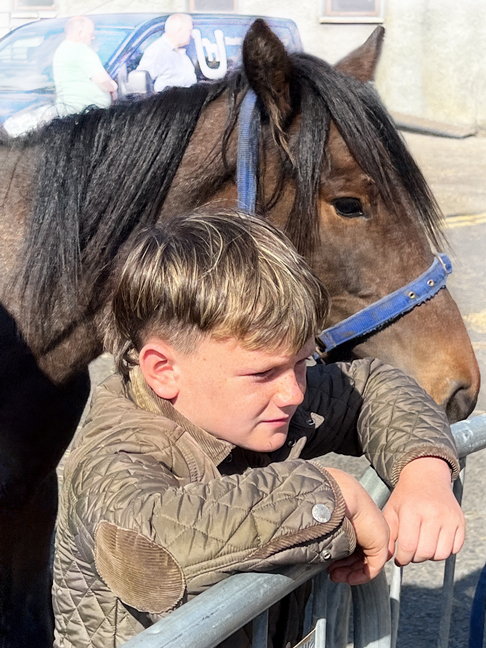
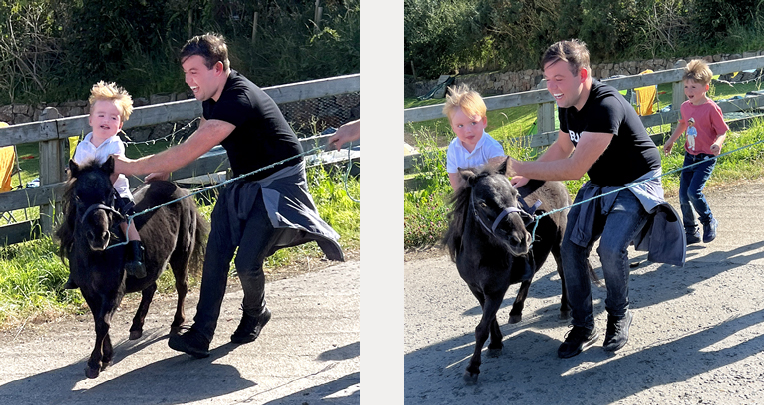
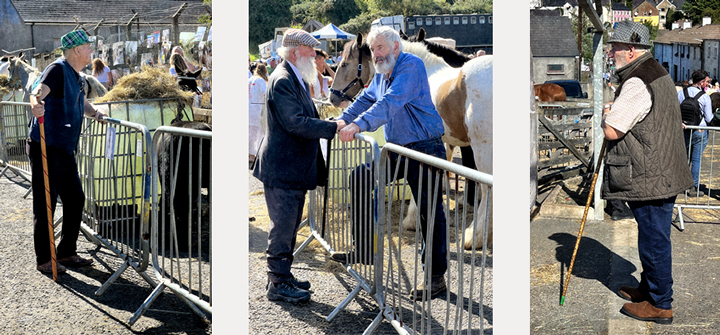
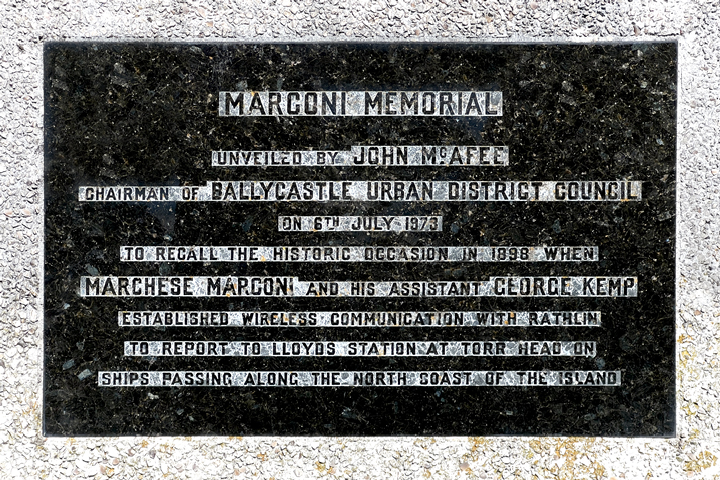
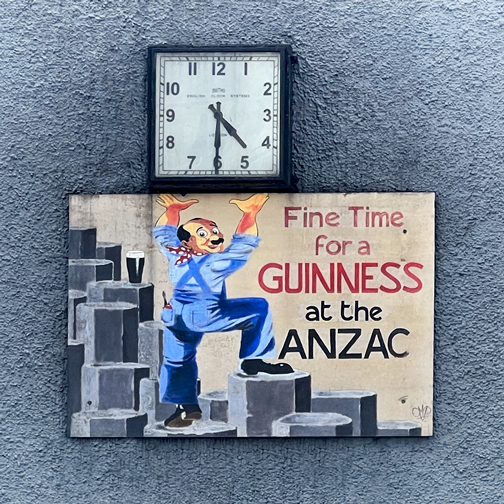
Taking place at the end of August, the Lammas Fair is one of Ireland’s oldest fairs, running almost continuously for over three hundred years. The streets of Ballycastle are clogged with people of all ages, strolling through the booths to find an antique treasure, or a bite to eat, or a new hat. But for me, the more interesting part of the event is the horse fair, where people come from all around to buy and sell horses.
Chapter three: heading for Belfast
The time soon came to turn our attention toward the next part of our adventure: a drive along the northeast Antrim coast, eventually turning south toward Belfast. We had been invited to stay with Rosemary and Mike’s friends Sarel and Colin, in their lovely home on Islandmagee.
Antrim Coast
There’s a choice of roads here, and the more interesting route by far is a series of narrow winding roads that hug the steep cliffs and give views to take your breath away. Over and over and over again, gasping and pointing.
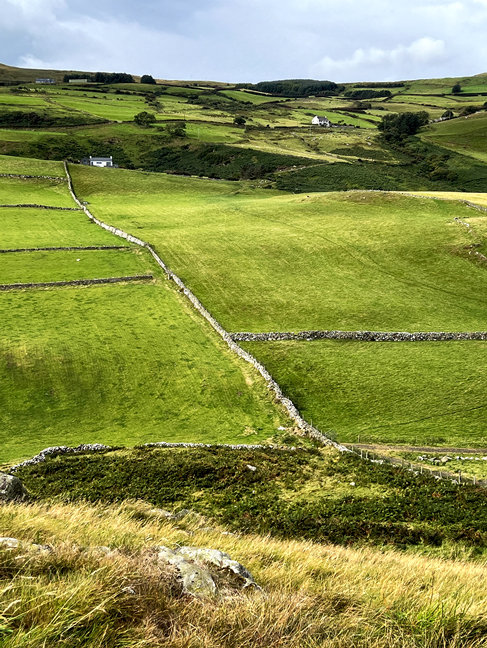
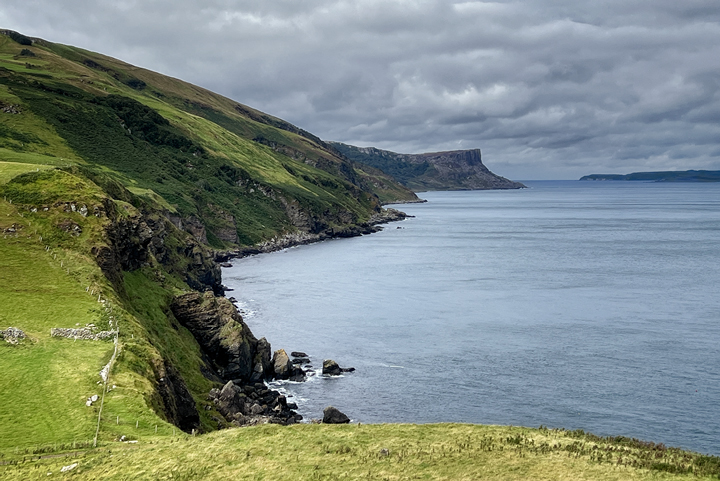
Our first stop was Torr Head. The lane leading to it drops steeply from the only slightly bigger “main” road and leads to a small parking area. From there we walked up a bluff on the cliffs that houses the remains of a 19th-century coastguard station. Interestingly, the word torr is Scottish Gaelic for mound, and Torr Head is only 12 miles from Scotland, the closest point on the island of Ireland. It’s a spot with magnificent 360-degree views, as you can see in the next four photographs.
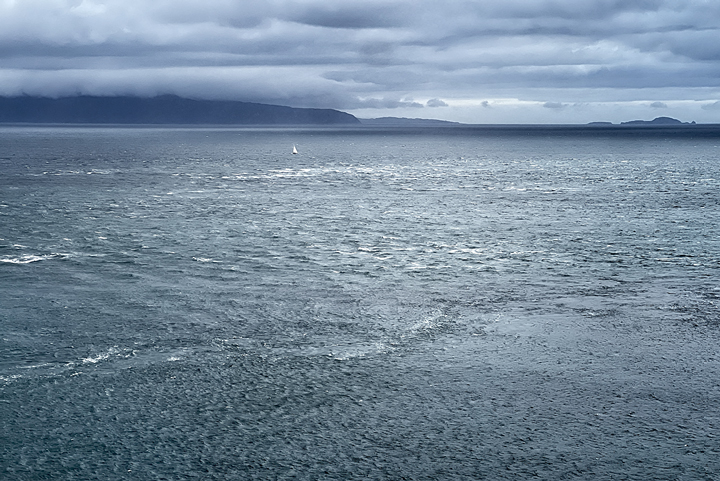
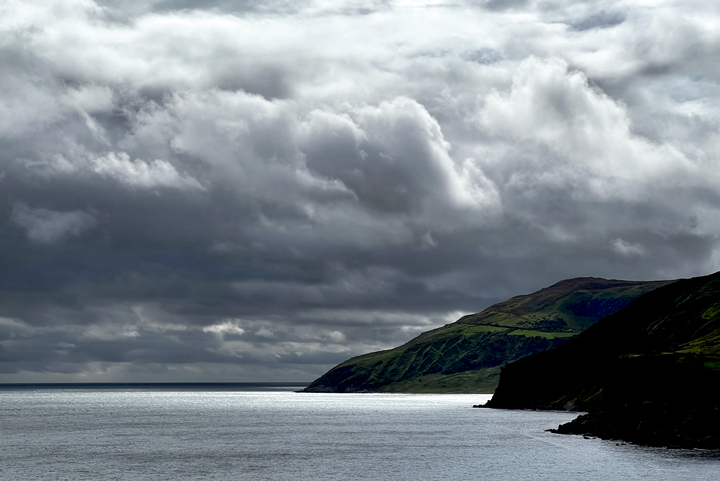
We continued along the coast, stopping occasionally for a photo, and made our way to the village of Carnlough, where we had lunch in the cozy Harborview Hotel. Later we stopped in Carrickfergus, one of the oldest settlements on the island of Ireland and home to a magnificent Norman castle. There was a stop at a favorite butcher shop to pick up meat for dinner, and then we found our way to Islandmagee and the warm, inviting home of Sarel and Colin.
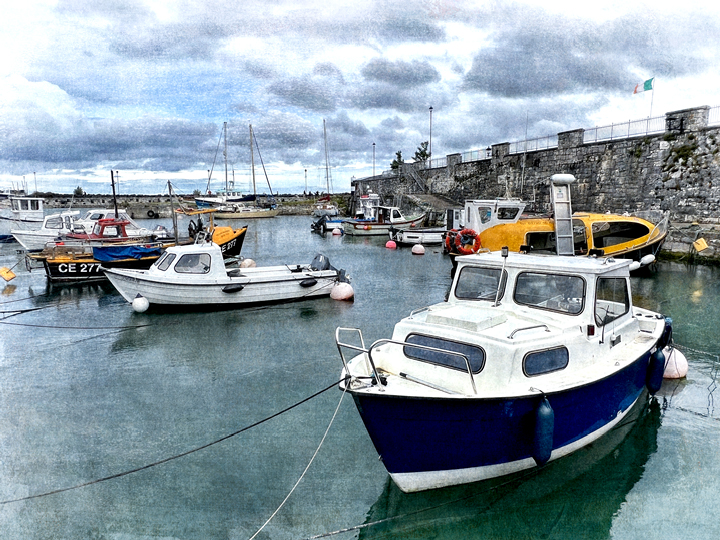
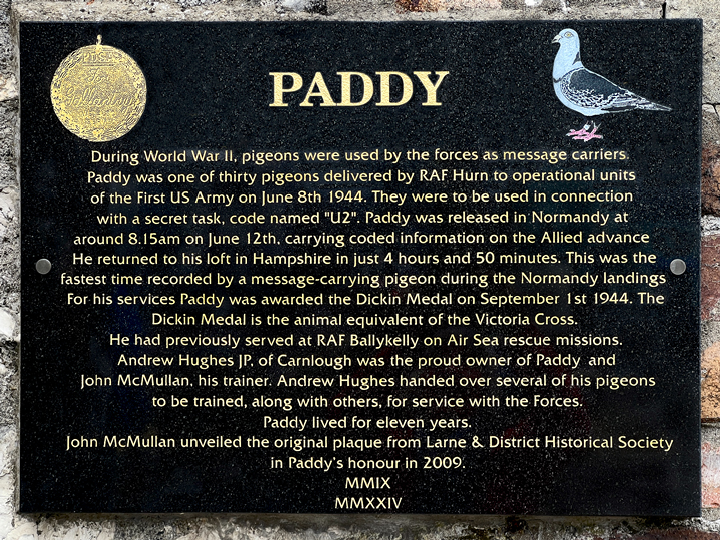
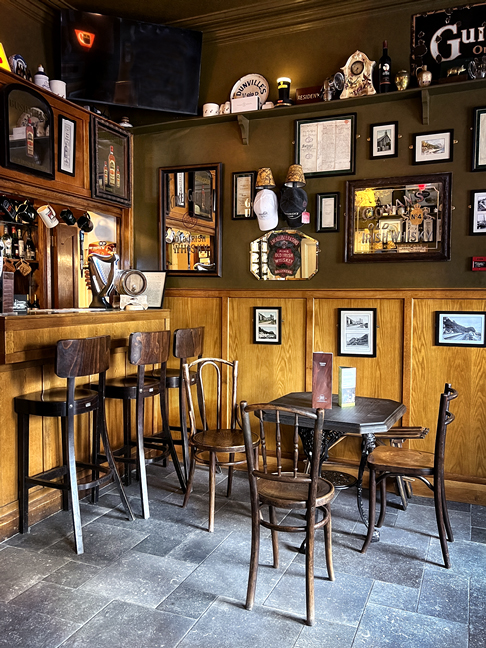
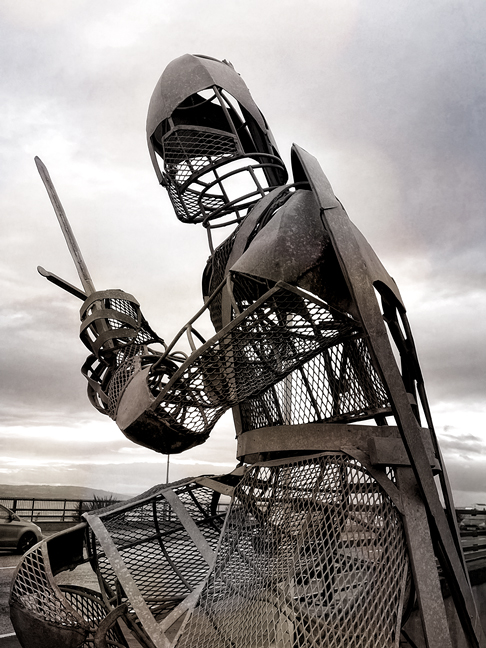
Belfast
I’ll keep this simple: I would like to return to Belfast for a longer, more thorough visit; there is a lot to see and a few layers to peel back. That said, the two days we had there were a fine teaser, a great way to whet my appetite.
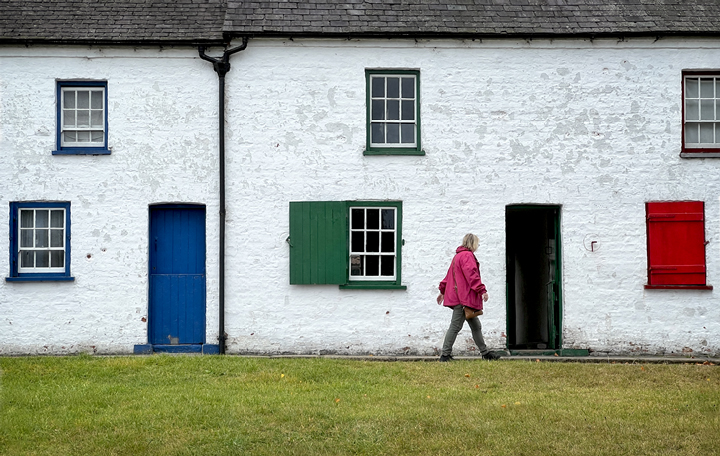
Our first day we headed to the splendid Ulster Folk Museum, a living historic village and farm. Here’s how Rosemary described it: “The art, craft, innovation and culture of the people of Northern Ireland through the last few hundred years.” And I found this on the museum’s web site: “The Ulster Folk Museum demonstrates how reconnecting with traditions, skills and customs from the past can help us grow and thrive in the world today.”
The entrance is in the village, where time stands still as we walk along narrow roads, peeking into this shop or that house. Many of the structures, especially the houses, date to the 18th century and were transplanted from other parts of Northern Ireland.
While the buildings are older, the village depicts life around 1900. All employees are dressed in period clothing, artisans demonstrate their work, and historic figures engage in period-accurate conversation. We especially enjoyed our appointment with the village doctor, who valiantly remained in character despite several leading questions from the three of us troublemakers.
After exploring the village, we took a longer walk through the extensive grounds, which comprise wildlands, farms, mills and other work buildings. I thoroughly enjoyed our visit to this remarkable living museum.
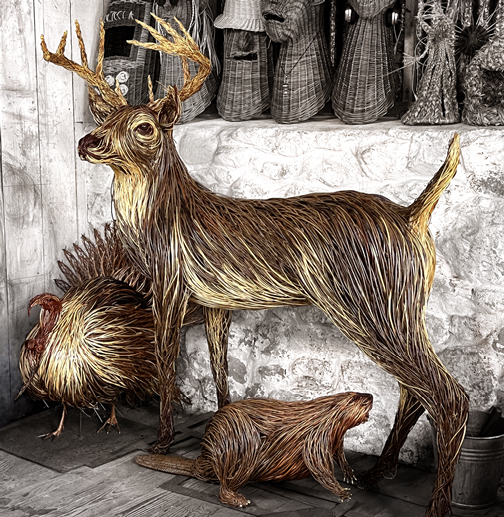
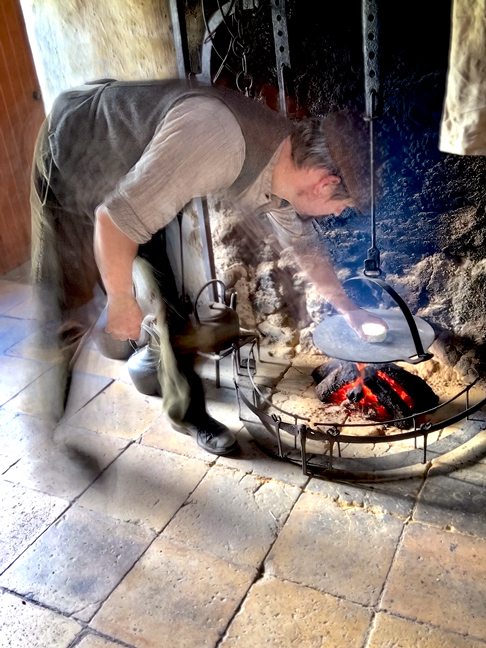
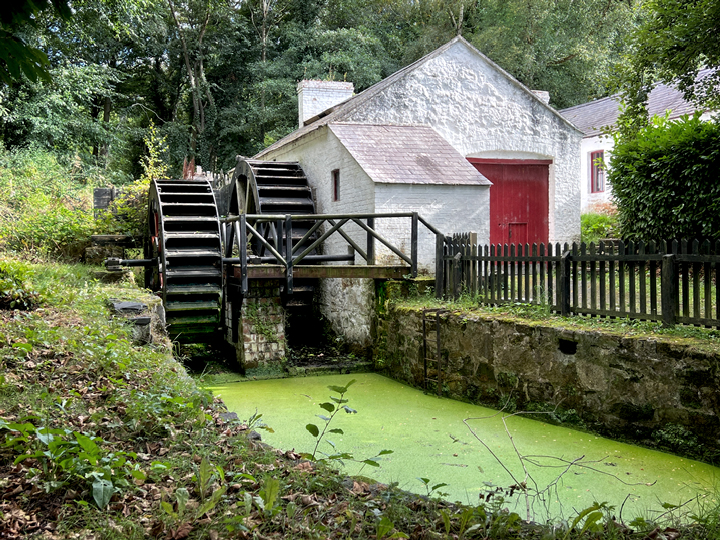
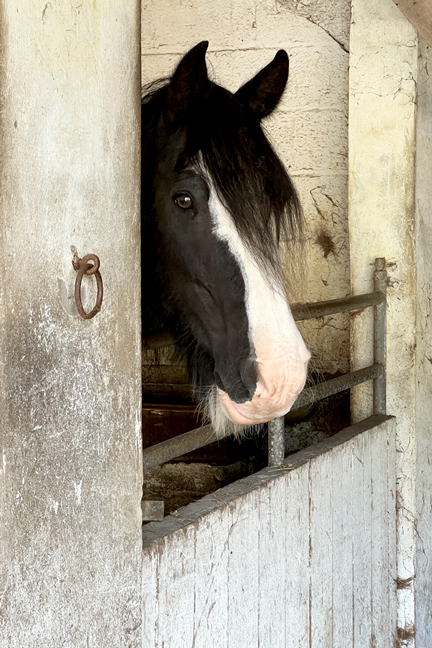
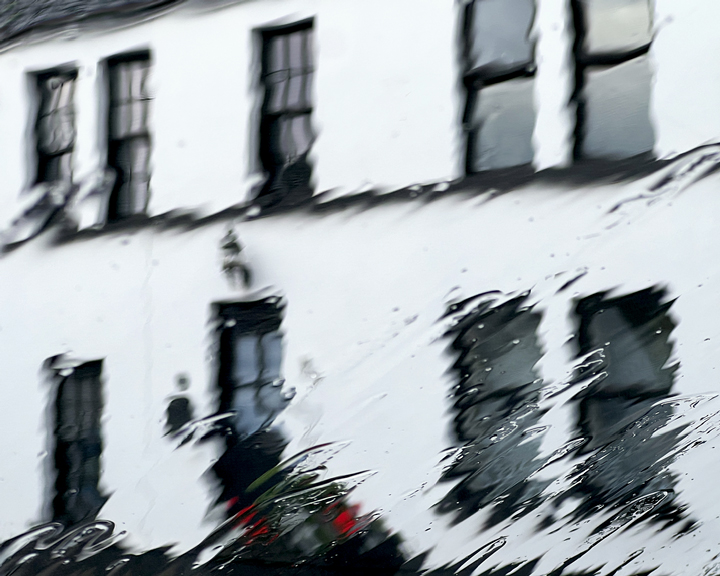
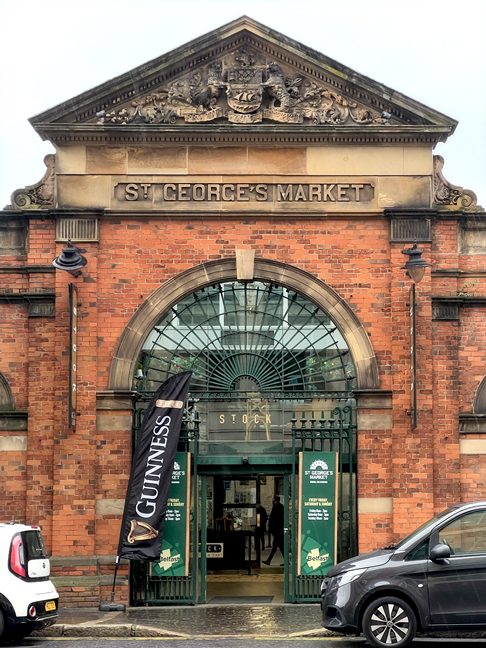
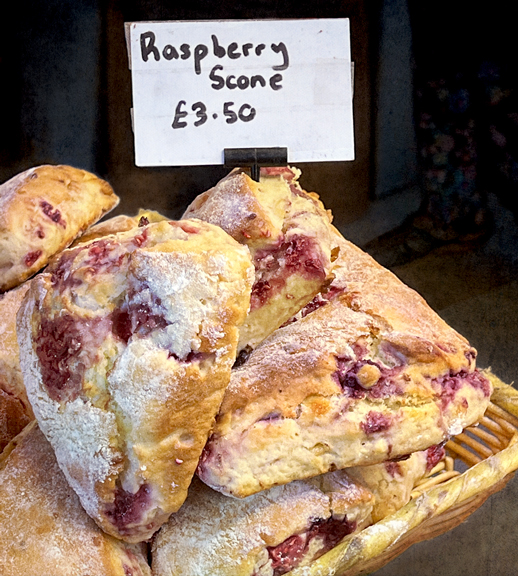
The next day dawned grey and rainy, perfect for our first stop at St George’s Market. Built in the 1890s of red brick with a partial glass roof, this is the last remaining Victorian-era market in Belfast, and it’s a hopping place. In addition to fresh produce, fish, meats and cheese, there are many stalls selling gorgeous pastries and a variety of prepared foods from around the world. There are vendors offering art, jewelry, pottery and clothing. There are shops with vintage record albums and antique silverware. There’s live music. There’s a delicious feeling of camaraderie and community, as folks of all ages come together to share a meal or shop for a gift, to browse or to buy the week’s vegetables.
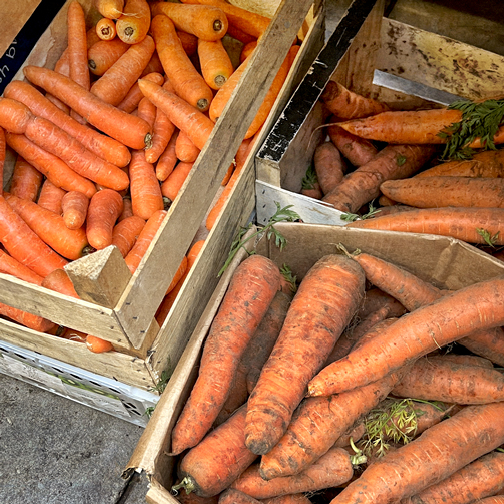
The rain was coming down with real attitude, so we didn’t do as much sightseeing around central Belfast as we’d hoped. Mike called their friend Mark, who met us for lunch, and we visited a few shops, too. We had picked up lots of goodies for a picnic-style dinner back at the house, and soon we were headed back to Islandmagee and a lovely dinner with Sarel and Colin.
The next day we had one more thing to do before departing all too soon for our next stop. Sarel had spotted a notice for a nearby event that sounded intriguing, and she, Rosemary and I left to check it out. Unexpectedly, the place was packed, and the skillful storyteller held us enchanted in the palm of her hand as she wove the story of the last witch trial in Ireland, held in 1711 in nearby Carrickfergus.
There isn’t very much documentation about the events of the case, and no official records of either the two trials nor their verdicts. That said, our storyteller was so good at her craft that I felt utterly transported back in time, and at the end of the event, I remember feeling slightly disoriented to find myself in a crowded room on a sunny day in modern Northern Ireland.
Back at the house, we finished loading the car and turned once again toward Belfast for a brief driving tour to show me a few sights before we continued on to Newcastle and the Mourne Mountains.
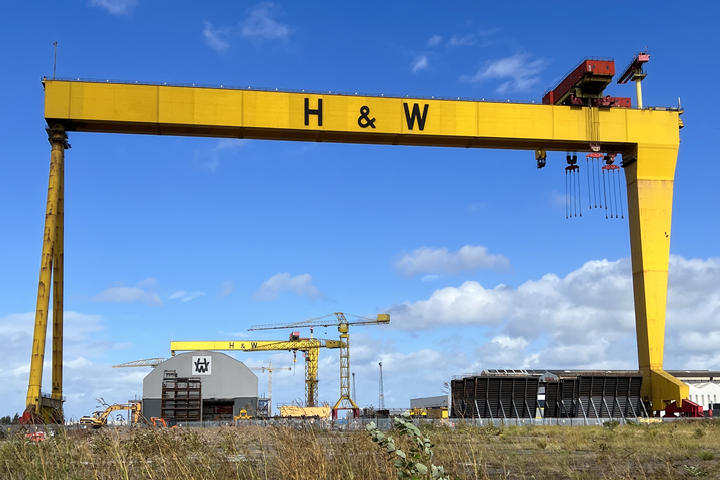
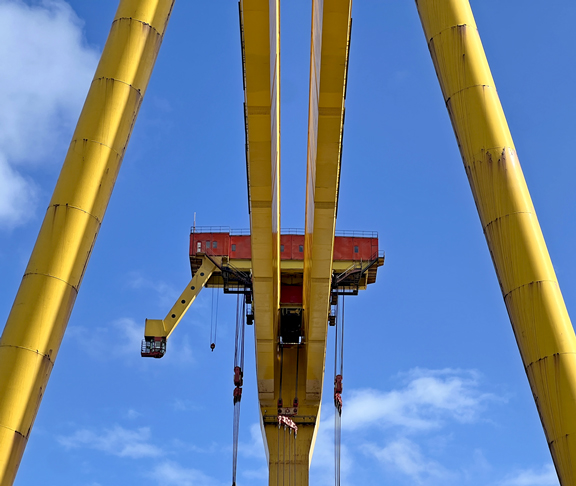
We drove through the city to see some of the famous murals, in both Catholic and Protestant neighborhoods. I’d really like to return one day to have tours of these murals, to hear the stories, and to better understand this turbulent history. For this trip, though, I was content with quick views from the car as we drove along a few streets.
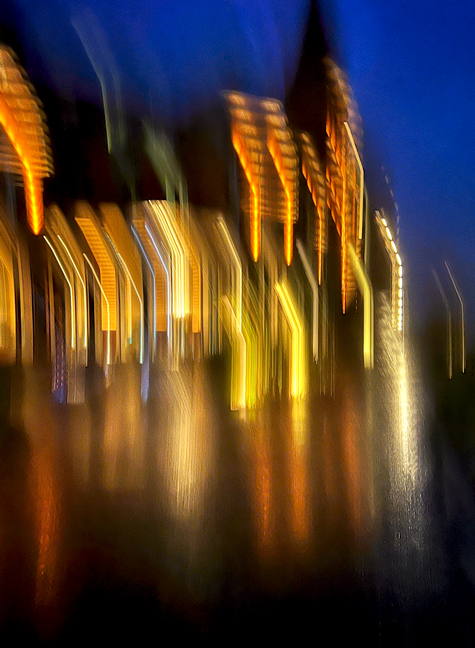
Rosemary pointed the car south and we drove to Newcastle, sitting on the coast of the Irish Sea and at the feet of the beautiful Mourne Mountains. By the time we arrived, clouds had joined the party, and by the time we went to dinner it was raining.
Chapter four: Newcastle and the Mourne Mountains
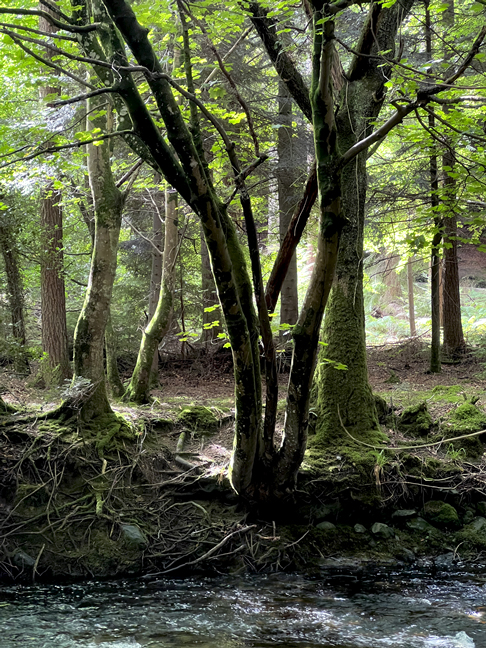
The next day dawned fresh and clear, and we set out for a walk in the Tollymore Forest Park. I had no idea what lay ahead, but a nice walk on a pretty day sounded perfect. On a long voyage full of magic and wonder, it turned out that my favorite moments were to be found in this park.
When we arrived, we were greeted by a double row of the most outrageous and wondrous trees. They are Himalayan cedars, huge specimens, many of them with branches contorted into imaginative positions.
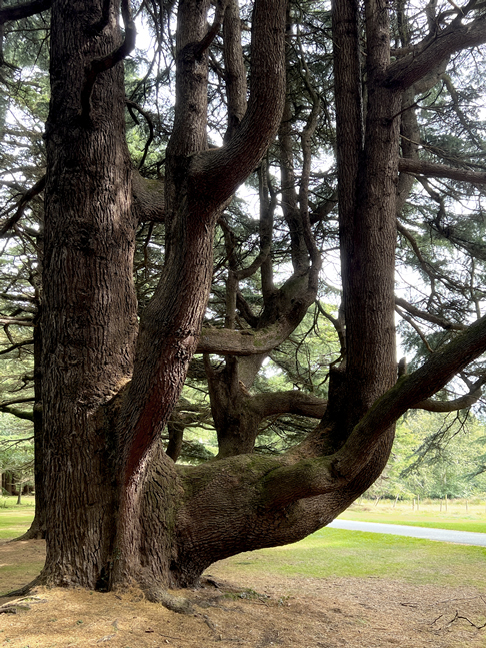
We parked the car and began our walk through the park, and almost immediately I could feel an awakening. My body slowed and I began to breathe more deeply. I felt the urge to stretch like a cat reaching for the sun, moving and breathing slowly, reaching higher, slowing further, breathing deeper.
We walked through a space that was built of a million shades of green. Tall, tall trees stretched to the heavens, while rivers sang and danced their way down the gentle slopes. Every sense was awakened.
The air itself seemed to be its own hue of shimmering green, so fresh, so life-giving. I drank in the freshness and the energy. We were in a forest of exquisite trees of seemingly endless variety, and I sensed the possibility that I might find my way to understanding their wisdom and grace and patience. Maybe, some day.
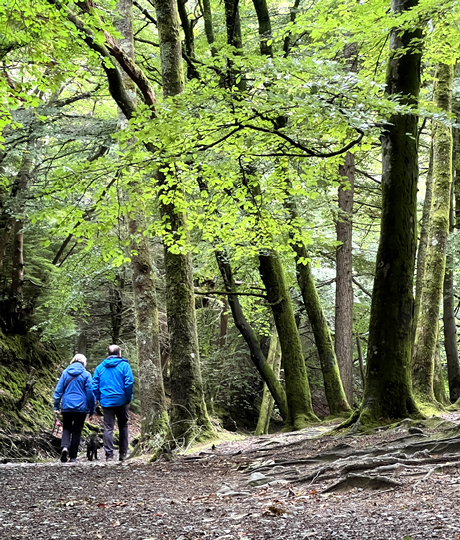
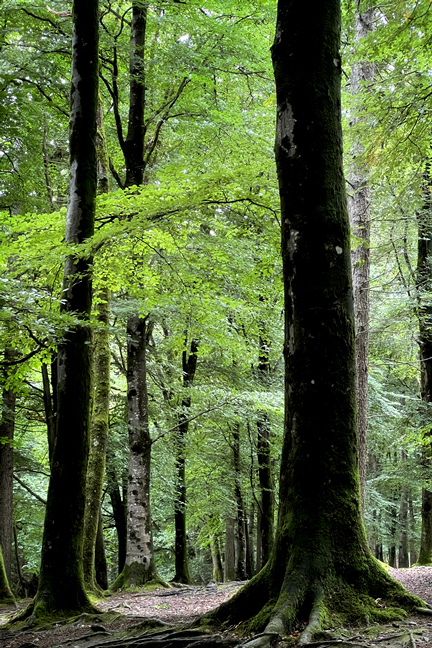
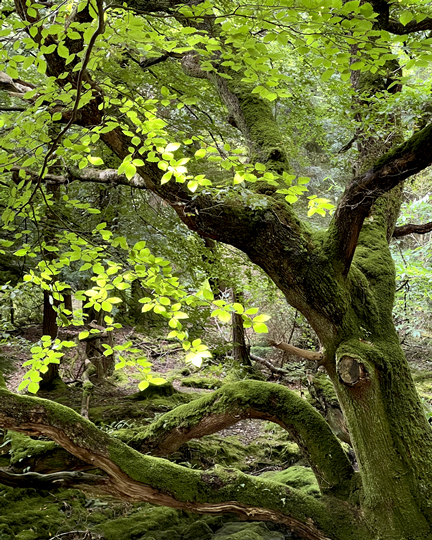
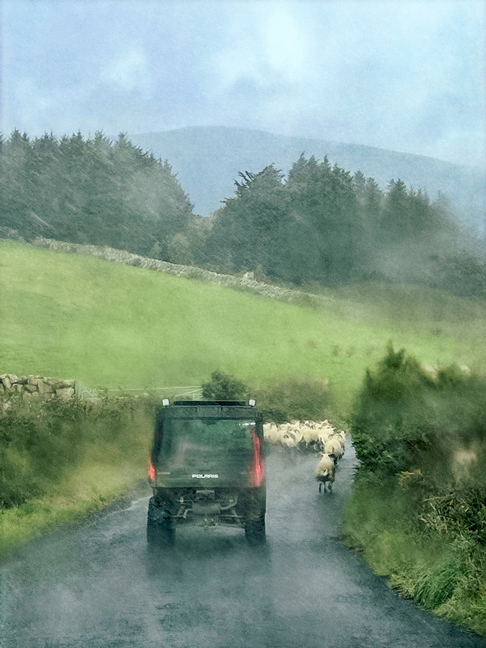
After that refreshing walk, we took a drive into the lovely Mourne Mountains, where we found rain and sheep in abundance. A short time later, as we made our way back to our hotel, we were treated to the magical view that opens this post: a rainbow that surely comes with a pot of gold.
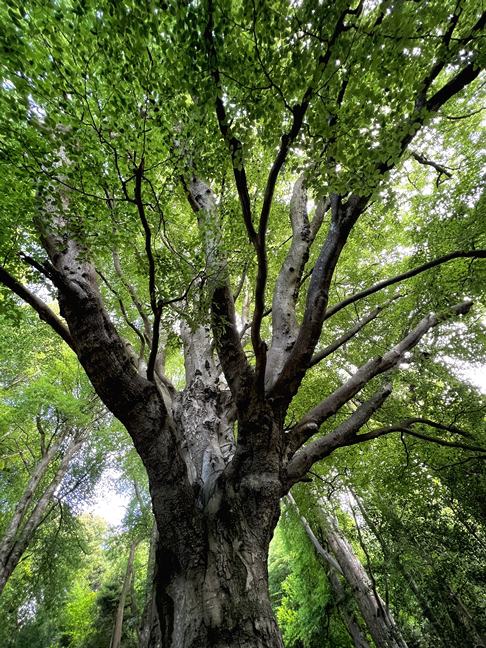
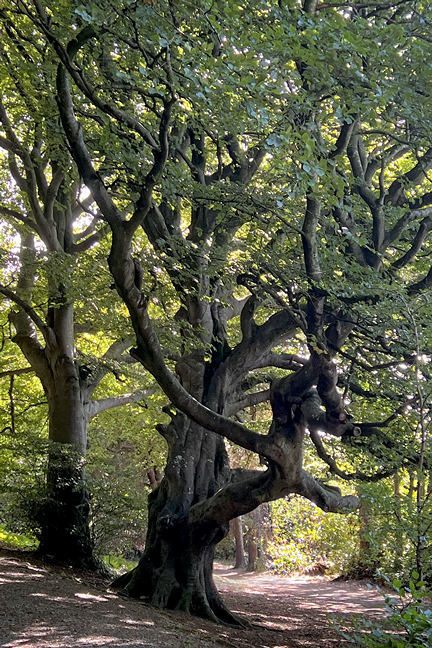
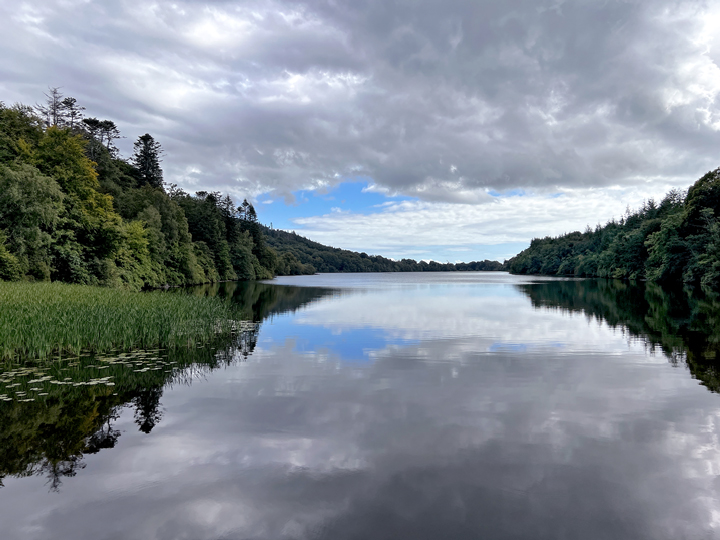
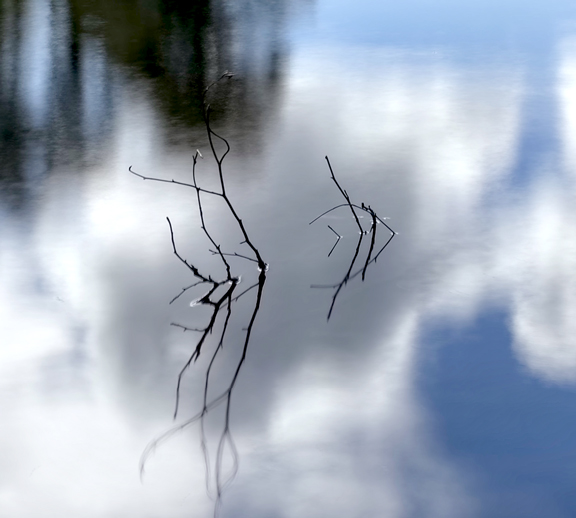
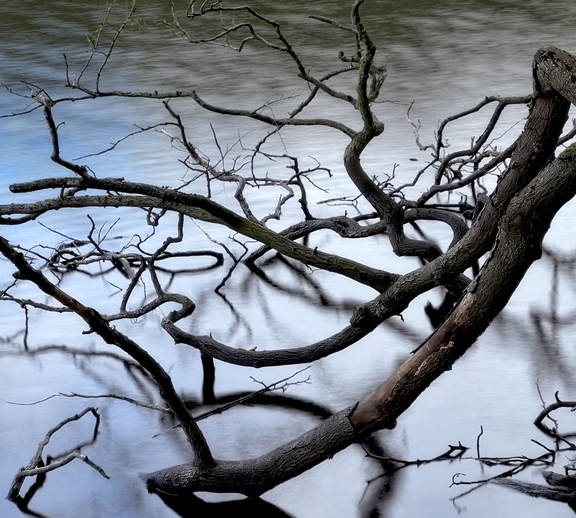
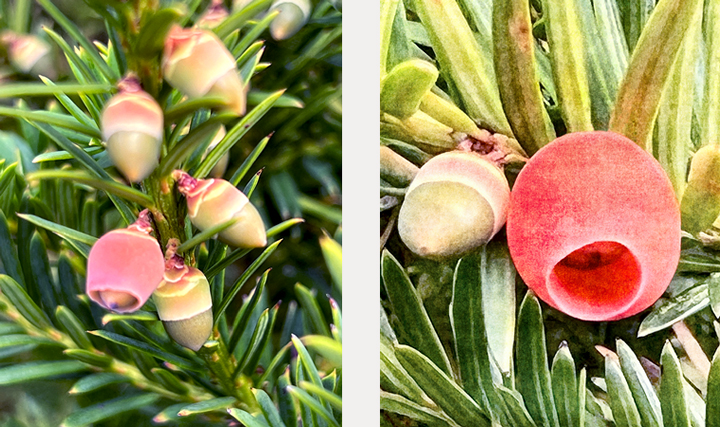
The next day brought more of that shimmering green air and another delightful walk, this time in the Castlewellan Forest Park. Now publicly-owned, this park was once the property of a family that collected trees from the Americas, Asia and Australasia. The grounds are a gardener’s paradise, containing a remarkable variety of trees and shrubs, including giant sequoias from California.
We returned to Newcastle, and the remainder of the day was passed with a stroll through town and then back to the hotel via the promenade along the beach. We found dinner at O’Hare’s Bar, where, after a nice meal, we began to hear some musical notes. This turned out to be the weekly practice session of the local ukulele band, and when we went back for a peek, we found 20 or so musicians playing up a storm. The age range looked to be around 60 years, and these folks were clearly good friends having a good ol’ time together. Their smiles were infectious, and we left feeling happy and contented.
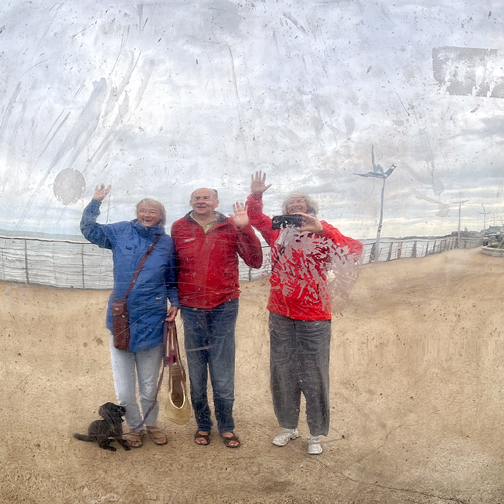
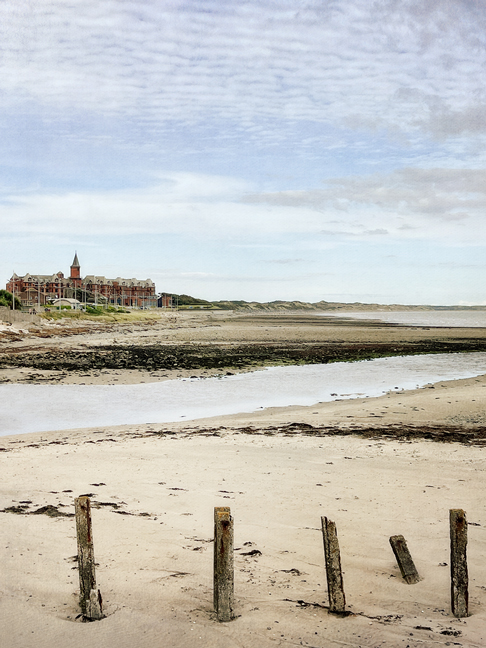
The last day
The next morning we packed up the car and bid a fond farewell to Northern Ireland, driving along the coast into Ireland and toward the Dublin airport. Our fine trip was coming to an end, but we did see some interesting things that day.
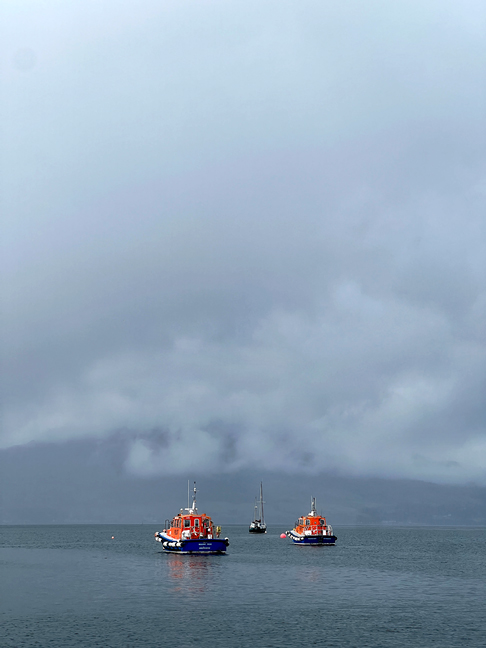
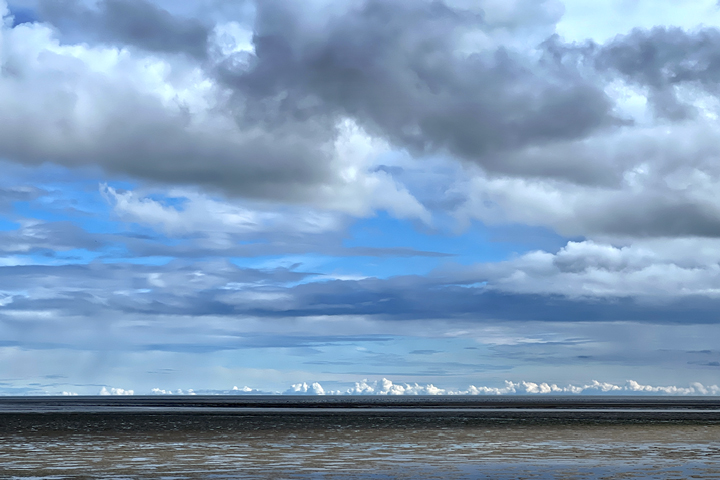
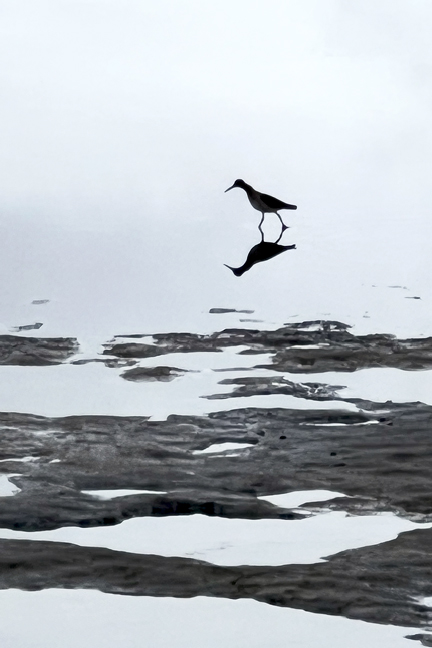
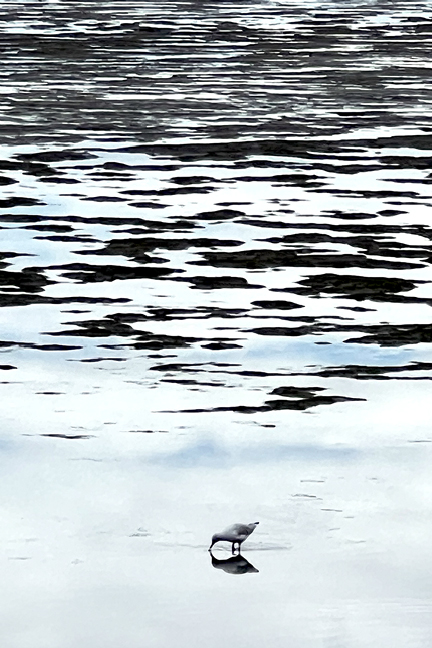
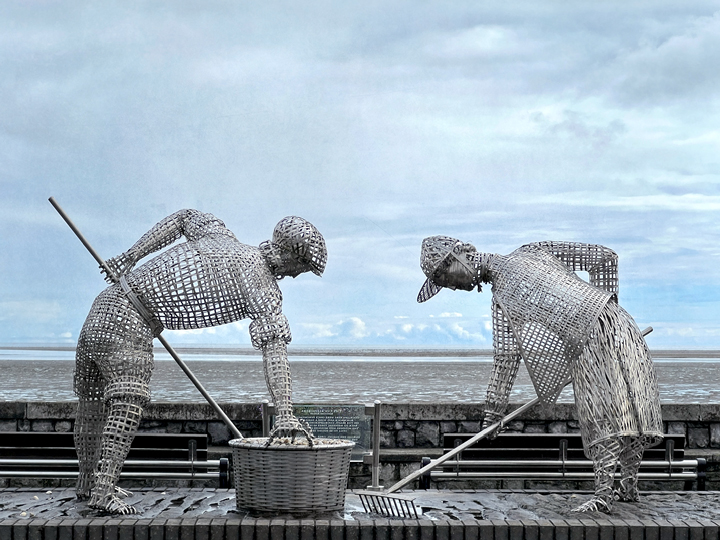
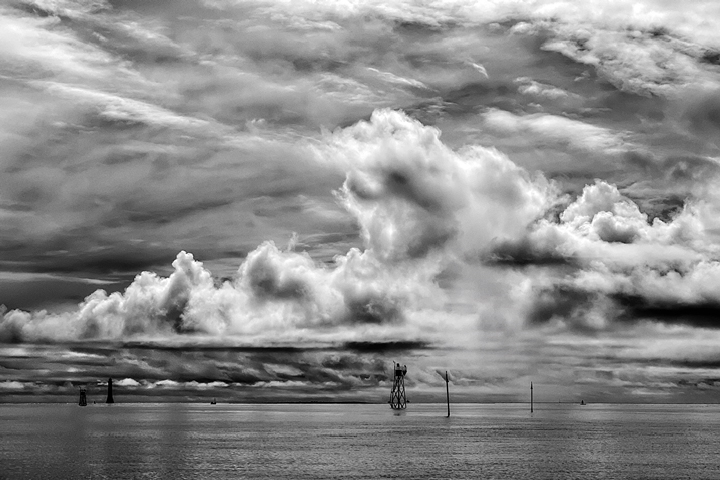
We paused near Drogheda for coffee, and then visited Malahide for more meandering, followed by dinner. The sky remained dramatic, although we hadn’t had much rain all day, yay.
And then it was time to make our way to our airport hotel for our last night in Ireland. Rosemary and Mike had a ferry to catch early the next morning, and I had a flight back to France. We enjoyed a cup of tea and said our good-nights and farewells, bringing this marvelous adventure to a close.
Parting shot
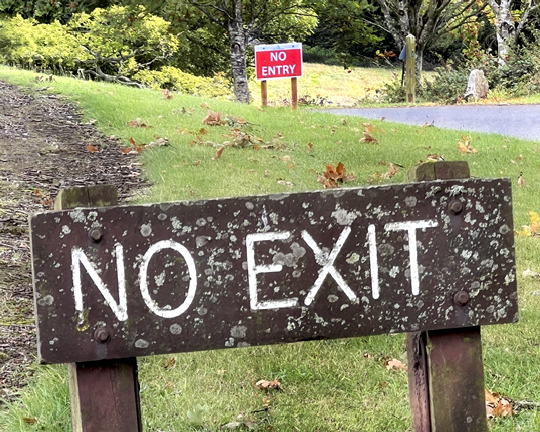
A small patch of no-man’s land in Castlewellan Forest Park.
 Lo Vedo Life
What a delightful meandering through Northern Ireland. I especially liked the pictures of the trees. I do love a tree w ‘character’. Thanks for letting me come along vicariously.
LikeLike
Cathy, it is always a pleasure to have you along for the journey! And yes, walking among those trees was pure bliss. Thank you for staying in touch!
LikeLike